

ESG Trends 2026 Startups Seen From Malaysia, Not From a Boardroom
If you spend time around startup founders in Kuala Lumpur or Penang lately, the ESG topic keeps coming up, but not in a dramatic way. No grand speeches, no mission statements pinned on walls. It usually comes out casually, during funding discussions or compliance conversations. Many people assume ESG is still something only big corporates worry about. The reality feels different on the ground. ESG trends 2026 startups are already shaping how early-stage companies plan, especially once regional investors start asking quieter but more specific questions.
A few years ago, ESG sounded like something imported from Europe or the US. Now, under the Malaysia ESG roadmap for startups, even smaller teams are realizing that ESG expectations are slowly moving downstream.
Not because regulators want to burden founders, but because supply chains are tightening. If your startup sells to a regional enterprise, your ESG posture becomes part of their risk checklist. That is where ESG regulations impact startups 2026 more than most people expect.
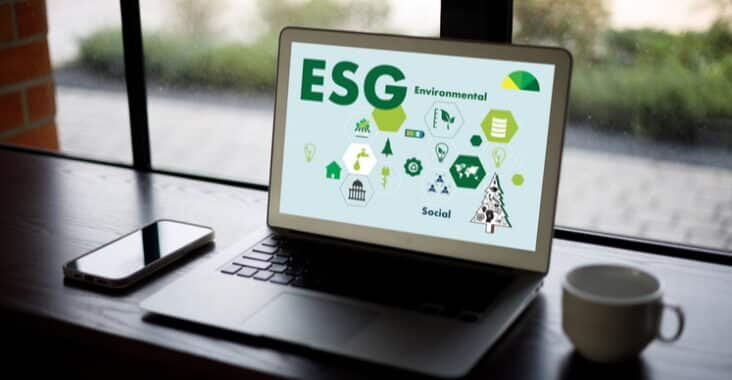
Many founders still think ESG equals environmental activism. But Future ESG trends for early-stage startups tell a different story. Environmental metrics often show up first because they are easier to track. Energy usage, waste handling, carbon reporting. Governance, however, is where things quietly get serious. Board structure, data transparency, internal controls. These are no longer seen as “corporate only” issues.
In Startup sustainability trends Malaysia, governance maturity often signals whether a startup is investable, even before revenue scales. Compared to Western markets, ESG trends ASEAN startups follow a more pragmatic route. Investors here rarely ask for perfection. What they want is direction and consistency.
This aligns closely with SG investment trends Southeast Asia 2026, where funds focus on execution discipline rather than branding. A startup that understands its ESG priorities for startups in 2026 often communicates lower long-term risk, even without a polished ESG report.
Some founders worry ESG slows innovation. On the ground, the opposite often happens. ESG innovation trends 2026 show that startups building sustainability into their process early adapt faster when regulations change. This is where ESG-driven startup growth 2026 becomes visible. Companies that already track data, energy usage, or workforce policies pivot more smoothly when new rules appear.
Malaysia rarely markets itself loudly as an ESG hub, but Startup sustainability trends Malaysia suggest a steady foundation. Clear regulatory signals, regional trade positioning, and increasing ESG literacy among founders.
Rather than chasing headlines, many startups here treat ESG strategy for startups Malaysia as part of long-term resilience planning. It is not about pleasing investors today, but avoiding costly restructuring later.
A common issue is overthinking. Teams assume ESG requires consultants, certifications, or heavy documentation. In reality, many ESG trends 2026 for startups start with clarity. What data do you already collect? Which risks already exist? Which processes already support transparency? Once these are visible, ESG stops feeling abstract.
ESG trends 2026 startups are less about ideology and more about alignment. In Southeast Asia, especially Malaysia, ESG is quietly becoming part of how startups communicate trust, readiness, and long-term thinking. Not loudly. Not dramatically. Just steadily.
Map which ESG requirements already overlap with your current reporting or compliance process.
- World Economic Forum – Global ESG and Sustainability Trends
https://www.weforum.org - Bursa Malaysia – Sustainability and ESG Framework
https://www.bursamalaysia.com - ASEAN Secretariat – Sustainable Finance and ESG Initiatives
https://asean.org