


Just Who’s Really Running the Show? A Look at the Singapore business rankings 2026
It’s funny, isn’t it? You’re scrolling through LinkedIn, or maybe having coffee with friends, and suddenly someone drops a name like “DBS” or “Wilmar” into the conversation. We all know they’re huge, but do we really know how huge? Living in Malaysia, Singapore feels like that high-achieving neighbour—always busy, always expanding, always in the news for some big deal or another. But when we talk about the Singapore business rankings 2026, it’s not just about who has the fanciest office in Raffles Place. It’s about understanding the mood, the momentum, and frankly, which way the wind is blowing for the entire region. Because let’s be real, when Singapore’s economy sneezes, quite often Malaysia catches a cold… or at least feels a bit of a draft.
So, let’s sit down and chat about what the corporate landscape over there actually looks like right now. Forget the stiff reports and the jargon. I’ve been digging around, and here’s the lowdown on who’s topping the charts, why they’re there, and what it actually means for us ordinary folks watching from across the causeway.
2026 CORPORATE SINGAPORE
The Usual Suspects: It’s a Banker’s World
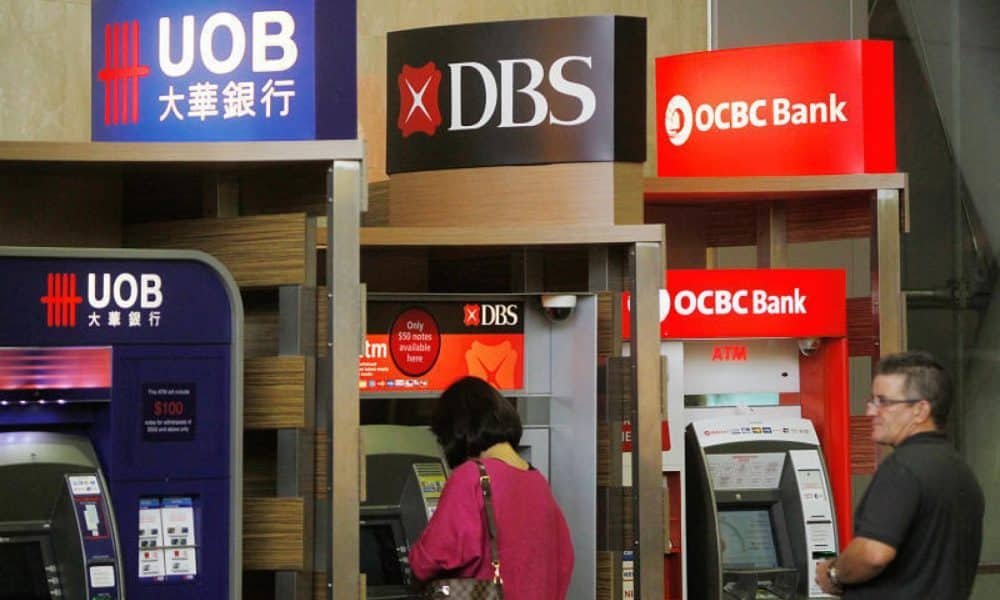
If you look at any Singapore business rankings 2026 based on market value—or what the finance people call market capitalisation—you’ll see a familiar pattern. It’s all about the banks.
DBS, OCBC, and UOB aren’t just places to keep your savings; they are absolute monsters in the financial world. DBS, for instance, is sitting pretty with a market cap that hovers around the US$110 billion mark, making it not just a top corporation in Singapore 2026, but a heavyweight in all of Asia . To give you some perspective, that’s bigger than the entire GDP of some countries.
Why them? Well, Singapore being a global business hub means money needs to flow. Companies need loans to expand, rich families need wealth management, and businesses need trade finance. The banks are the middlemen for all of it, and business is booming. They are the ultimate Singapore market leaders simply because they facilitate everyone else. When analysts talk about the Singapore economic outlook 2026, they always start with the banks’ performance. If the banks are doing well, it usually means the rest of the economy has a pulse.
The Heavyweight Champs: Agribusiness Kings
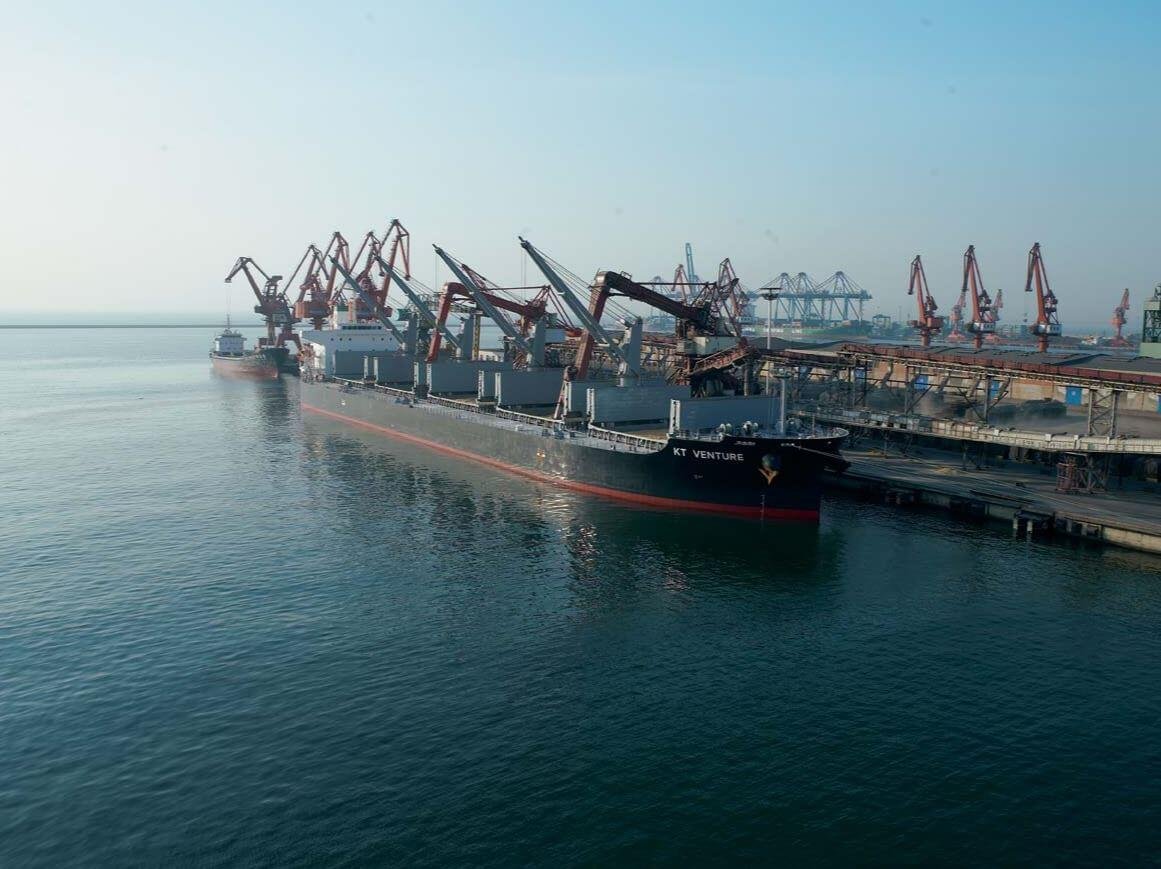
But market cap is just one way to measure “bigness.” If we talk about revenue—the actual money coming through the door—the list changes completely. This is where the Singapore largest companies list gets interesting.
Topping the revenue charts isn’t a bank; it’s Wilmar International . You might not know the name, but you’ve definitely eaten their products. They are one of the world’s biggest players in palm oil, sugar, and other edible oils. With revenue hitting over US$67 billion, they are the undisputed king of the hill . Close behind is Olam Group, another massive agri-business that handles everything from cocoa to cotton .
These companies are the classic example of Singapore’s role in the world. The island itself doesn’t grow much, but it processes, finances, and trades commodities on a global scale. They dominate the Singapore company rankings by revenue year after year because they deal in things the world can’t live without: food and resources. Their presence on this list shows a different side of the Singapore business landscape—one that’s less about shiny tech and more about the gritty, essential trade of feeding the planet.
The People’s Champ: The One That Makes Us Proud
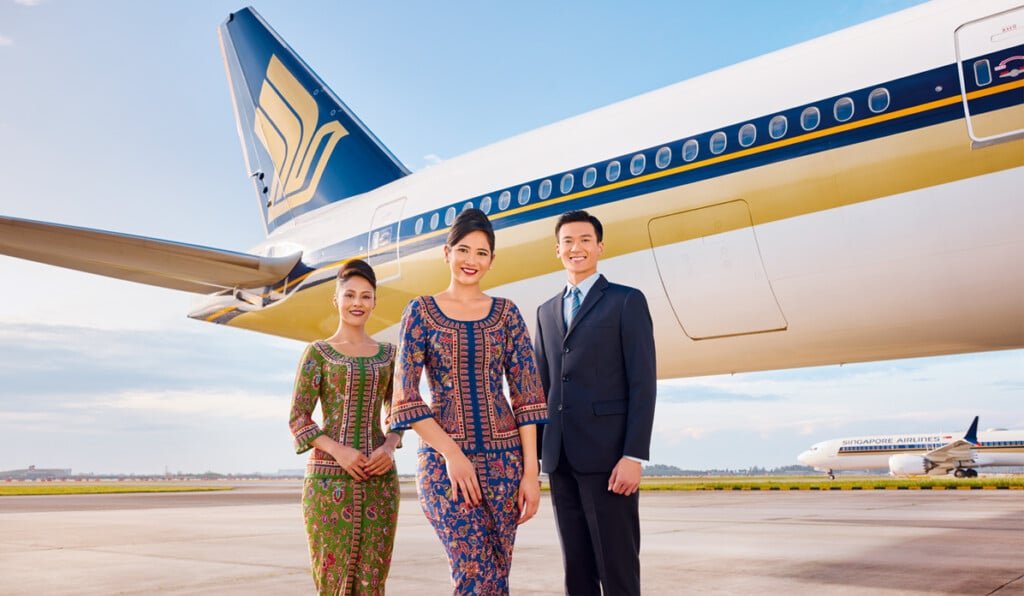
Now, rankings aren’t just about money. Sometimes, it’s about reputation. And in the Singapore business rankings 2026 for “most admired,” there’s a clear winner.
Singapore Airlines (SIA) isn’t the biggest by revenue or market cap, but it holds a special place. In the latest Fortune World’s Most Admired Companies list, SIA didn’t just make the cut; it ranked number one in its industry globally and jumped to 24th overall worldwide . For them, it’s not about being the cheapest; it’s about service, quality, and the brand. Think about it—when you fly SIA, you expect that warm towel and the decent meal. They’ve set the standard.
This matters because SIA is like the country’s floating embassy. When it does well, it reinforces Singapore’s image as a first-class place. It’s proof that the leading businesses in Singapore 2026 aren’t just about moving money or goods, but also about delivering an experience. They are a classic example of Singapore corporate performance that goes beyond the balance sheet.
The New Kids: Riding the AI Wave

Here’s where the story for 2026 gets a bit of a refresh. For the last year or so, everyone has been talking about AI. And unlike past tech fads, this one is actually driving serious money into Singapore.
The government recently bumped up the Singapore economic outlook 2026 growth forecast to 2-4%, largely because of the boom in AI-related demand . We’re not talking about chatbots here; we’re talking about the hardware. Companies that make the precision components for semiconductors and other high-tech gear are suddenly the darlings of the stock market. Names like Venture Corporation and UMS Holdings are getting a lot more attention because they sit right in the middle of this global supply chain .
So, while the banks and commodity traders are the old guards, the Singapore corporate rankings are starting to see a push from the tech sector. It shows that even in a mature economy, new Singapore competitive industries can emerge and shake things up. The government is backing this heavily, pouring money into AI missions and infrastructure, which means these top companies in Singapore 2026 might not just be the ones we know, but the ones building the future.
The Green Shift: Powering the Future
Finally, you can’t ignore the push towards sustainability. It’s not just a trend; it’s becoming a core part of the Singapore business landscape.
Firms like Keppel and Sembcorp are classic industrial names, but they are reinventing themselves as leaders in the energy transition. They are heavily involved in everything from solar energy to low-carbon electricity imports . They are positioning themselves to be the go-to guys for a greener future.
This shift is crucial because it opens up new Singapore corporate rankings categories. It’s not just about who extracts the most, but who can provide the cleanest solutions. Whether it’s upgrading the power grid or building infrastructure for electric vehicles, these companies are betting big on the green economy. They see that to remain leading businesses in Singapore 2026, they need to adapt to what the world—and investors—now demand.


