


A Real-Talk Look at the Singapore Emerging Industries Report and What’s Actually Growing in 2026
Sitting at a mamak stall with a view of Singapore wondering about what new things they might be doing across the water lately? Their classic story is they were a major Financial Hub with banks, a port and nice shopping malls. But if you look at the news coming out of Singapore in 2026 it’s apparent things have changed. They aren’t merely a Financial Hub anymore! If you look at any recent Singapore Emerging Industries report you’ll see some pretty crazy things happening. It seems as though they are constructing a ‘science fiction’ movie – in real life! But what does it mean to you and me; those of us who are not within the major business community???? When you read this you will find out what Singapore is working on in today’s world. Based on what I have learned about trend analysis and some of the people I have spoken with, Singapore has placed several large bets on out five different areas of development. They have transformed themselves; it’s like their DNA has been re-written.
2026 Industry Pulse
01. The AI Infrastructure Gold Rush
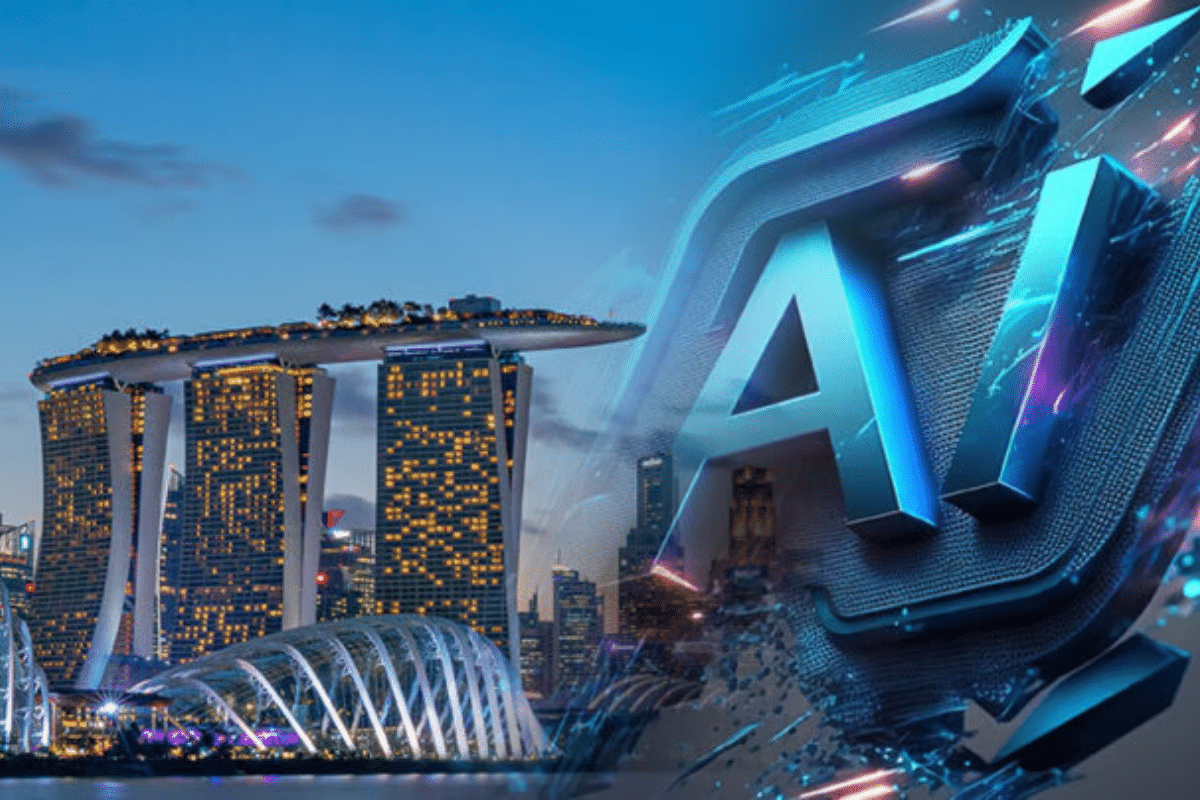
You’ve probably heard ChatGPT and AI talked about so much that you’re about to explode. Yet here’s the thing: In Singapore, AI isn’t about writing emails. By 2026, the SG AI Industry’s growth will now be in the “Physical Layer,” like the best gold miners were not the gold miners themselves but people selling shovels and picks to others. In the AI industry, the “Shovels” are Data Centres & Computational Power! If Singapore wants to be the brain of Asia, they must have the best servers, and they’re aware of this.
The Government of Singapore has a great National AI Strategy 2.0. They don’t just allow companies to create data warehouses, they’re looking for “Green Data Centres.” Since Singapore is a small country and hot, cooling off thousands of Computers uses a lot of energy. Therefore, many companies have come up with some pretty crazy ways to cool their Servers while using as little energy as possible. If you look at the Singapore technology industry, this is your base, without these “Brains” nothing else can happen. It’s also a huge control play. They want to be sure that they’re not just renting AI from another country, but that they’re building their own.
02. Green Tech in the Singapore Emerging Industries Report
The next subject I want to discuss may appear to be a bit ‘corporate’ in nature. However, if you really look at it from the perspective of someone who grew up in a small village (or kampung), you will see how very much in line with the ‘kampung’ way of life it is. This subject is the Green Economy. A hot topic worldwide due to the increasing warmth of our planet. The city-state of Singapore has no natural resources; therefore, Singapore has identified ‘Sustainability’ as its new export commodity. In their recent Singapore emerging industries report, Singapore has placed an enormous emphasis on decarbonising the economy. Thus they are positioning themselves as the destination for large organisations to learn how to be ‘clean’.
Furthermore, another project under development at this time is the ‘Singapore Green Plan 2030’, and by 2026, we will know results of this project. Singapore’s main focus is on hydrogen energy and carbon trading and ‘Agri-tech.’ Since Singapore has limited land resources, Singapore has developed ‘agriculture’ in the form of growing certified organic produce in vertical farms (very tall buildings). This has become one of Singapore’s fastest growing industries. Because it is a necessity for food self-sufficiency and creating cooler cities without destroying the environment. So if Singapore can learn how to be self-sufficient with food and keep the temperature in Singapore relatively cool. Therefore, Singapore will be able to export that ‘how-to’ knowledge to the rest of the globe.
03. A Deep Dive into the Singapore Emerging Industries Report: Semiconductors
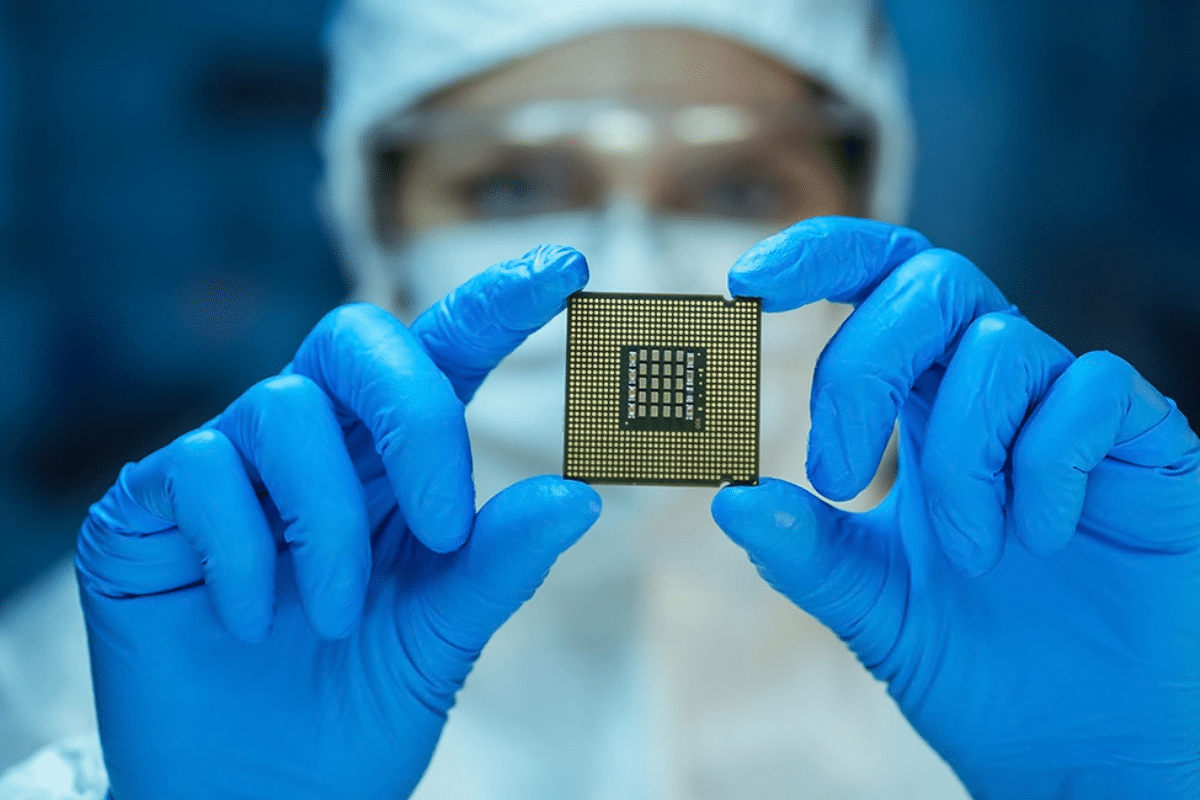
This makes the Singapore semiconductor industry a powerhouse again—to no one’s surprise but the pessimists. No longer are we simply manufacturing “inexpensive” chips. Rather we’re on the cutting edge of semiconductor technology, producing “high-end” chips for products. Such as autonomous vehicles and artificial intelligent (AI)/machine-learning-based computing equipment. The latter two represent the future of manufacturing in Singapore, while the former will never again be manufactured here.
In addition to being an important part of driving the economy in Singapore, the semiconductor industry provides what is known as the “cluster effect.” When a large firm expands their operations in Singapore, they bring with them a multitude (literally) of smaller “supply-chain” manufacturers who provide all of the components necessary to manufacture semiconductor devices. Thus, for those of you watching the development of innovation sectors in Singapore, the semiconductor industry is the foundation on which all other sectors will grow, including the so-called digital economy. Hence, it will be part of the reason that Singapore recently received a positive upgrade in its gross domestic product (GDP) growth forecast, primarily due to electronics remaining the highest export category from Singapore.
04. Biotech: The Long Game for Longevity
This subject is intriguing to us Asians because we are all ageing. Singapore is aiming to become the “Biopolis” of the world. In any “Singapore emerging industries report has an entire section on Biomedical Sciences that resembles a medical journal. But to put it plainly, they’re looking to develop cures specifically for Asian communities. Such as types of cancer often experienced by Asians and the Diabetes epidemic. When we reach 2026, there will be a lot more of “precision medicine” available to us. Rather than giving everyone the same medication, they will determine what medication is best suited to the individual based on their DNA.
This sector will be an emerging industry within Singapore 2026 that will require much patience. You cannot build a biotechnology firm over night. But Singapore has long been investing heavily into R&D for numerous years, and now we are beginning to reap the rewards. Pharmaceutical companies have begun to construct large-scale manufacturing facilities due to the depth in “Talent Pool”. If you are studying Science today, this is where the action is happening.
05. Fintech Evolution in Singapore Future Industries
Finally, the good ol’ Finance. This time, it’s not going to be like your Grandpa’s bank. The Singapore Fintech Industry outlook for 2026 is focusing on “Web 3.0 and Asset Tokenization”. Ahhhh! Don’t run away yet! Let me put this in mamak language. Go – on – think of it this way. If you wanted to invest in a big hotel on Sentosa Island and own just one percent of that hotel. After you purchased that one percent, you could trade your one percent interest in that hotel as easily as you can purchase a Shopee voucher using your mobile phone. This is called tokenization, which is basically the breaking down of a large, expensive thing into digital tokens allowing more people to invest.
Singapore has had a lot of regulations in place so they have not allowed the cryptocurrency craze to get out of control and crash. So they have developed a safe “sandbox” environment for banks to test out new technologies. So this makes them an attractive global business hub for investors to conduct business because they feel safe investing there. Singapore also is becoming a world leader in Cross-border Payments. Sending cash across borders, for example, from Singapore to Malaysia. It should be as easy as sending a WhatsApp message. PayNow and DuitNow have been integrated as part of the Singapore digital economy industry sectors and will enable fast cash transfer between the two countries.
So, there you have it. If you look at the big image, Singapore isn’t just trying to be “richer.” They are trying to be “smarter” and “greener” because they know that being a small island is risky. For those of us watching from Malaysia or elsewhere in Asia, Singapore emerging industries report isn’t only a list of facts—it’s a roadmap. It shows us where the jobs of the future are and what kind of skills our kids might need. It’s a fast-moving world, and honestly, it’s quite exciting to see our neighbor pushing the boundaries.


