


A Real-Talk Breakdown of the Singapore Leading Industries Report and What’s Powering the Economy in 2026
If you’ve taken a short flight to Singapore from Kuala Lumpur or a quick break at one of the many cafes along Orchard Street. You’ll know that Singapore always appears to be “come under construction.” This is not only the case with how it looks physically, but also how much it is moving embellishment markets. One year we all talk about crypto, the next AI or green energy. It was hard to keep up with this if you aren’t involved with it every day. Recently, I have been chatting with friends in the industry and combing through the most recent Singapore Leading Industries Report for 2026. Honestly, when you read the simple raw data, it is dry. However, when you see the actual activity on the streets, the actual movement is much more interesting. Singapore is really not just a “bank and shop” region. They are becoming one large technological hub for all of Asia. The Singapore market is turning upside down, while the world is concerned about inflation and supply chain issues. Singapore is redoubling its focus on a number of specific industry sectors to remain competitive, like upgrading their “operating system” every few years!
2026 Industry Pulse
01. The Powerhouse: Singapore Semiconductor Industry
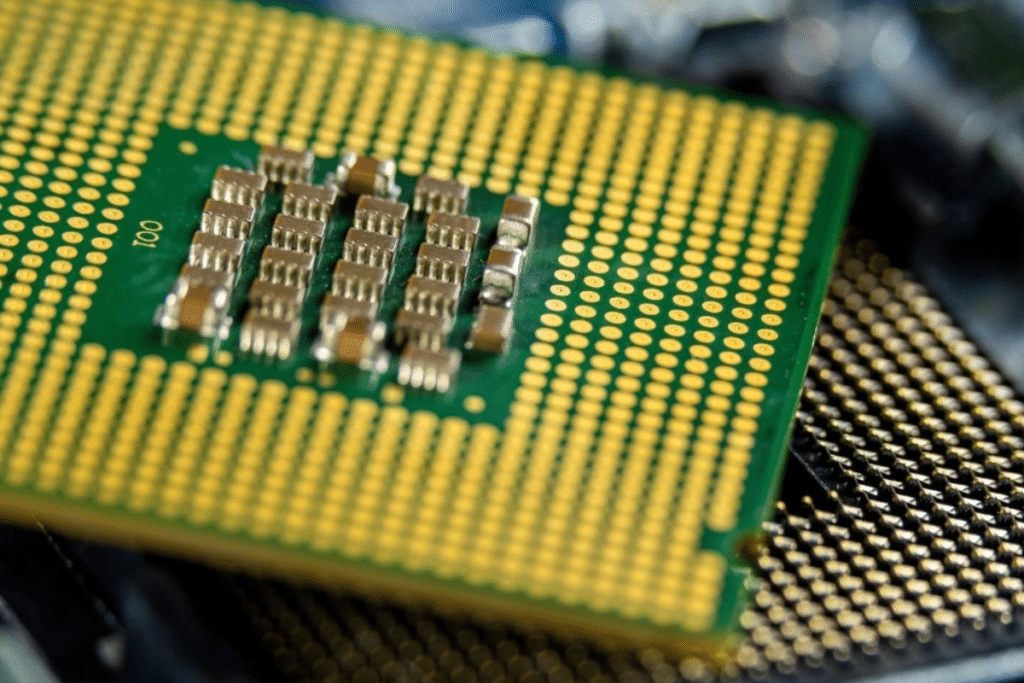
You may be surprised to see that “factory work” tops the list. However, it is not referring to low-end assembly work. The latest Singapore Leading Industries report shows that the Singapore semiconductor industry is a direct contributor to the GDP of Singapore. Think about your smartphone, your laptop, or the control unit of an electric vehicle all use chips. It is highly probable that all of the chips in those products came from Singapore. Although Taiwan produces the advanced 3nm chips, Singapore has a monopoly on providing basic semiconductors to automobiles, medical devices, and industrial robotic components. The high degree of specialization makes it one of the strongest industry sectors in Singapore.
If you drive through places like Pasir Ris or Woodlands, you will see “Fabs”. It is larger than football fields with no windows. They are cleaner than any operating room and they are in operation around the clock. There has been a fluctuation in the global demand for electronic devices. However, Singapore has attracted billions of dollars worth of investment as a result of consistent, high-quality manufacturing. The artificial intelligence explosion in 2026 will mean the demand for high-quality chips will only continue to increase. This provides a strong foundation for key economic sectors in Singapore.
02. Financial Services in the Singapore Leading Industries Report
Money is very much a part of Singapore and the financial services industry has always been the biggest part of the economy. But you will see from the leading industries report this year that the fintech part of the financial services industry is growing faster than traditional banks. It’s not just a matter of aunties and uncles walking into banks anymore; it’s about all of Asia managing their wealth. Due to some chaos around the world, many people have a sense of security leaving their money in Singapore. This is why the fintech industry is considered to be one of the leading industries in Singapore by 2026.
As well, the Monetary Authority of Singapore (MAS) is very committed to technology. Such as testing digital currency and instant cross-border payments. This is the main reason so many of our friends relocate to Singapore to work in private banking or asset management. Foreign investment is so significant that fintech is one of the top 10 industries in Singapore.
03. Smart Logistics: The World’s Middleman
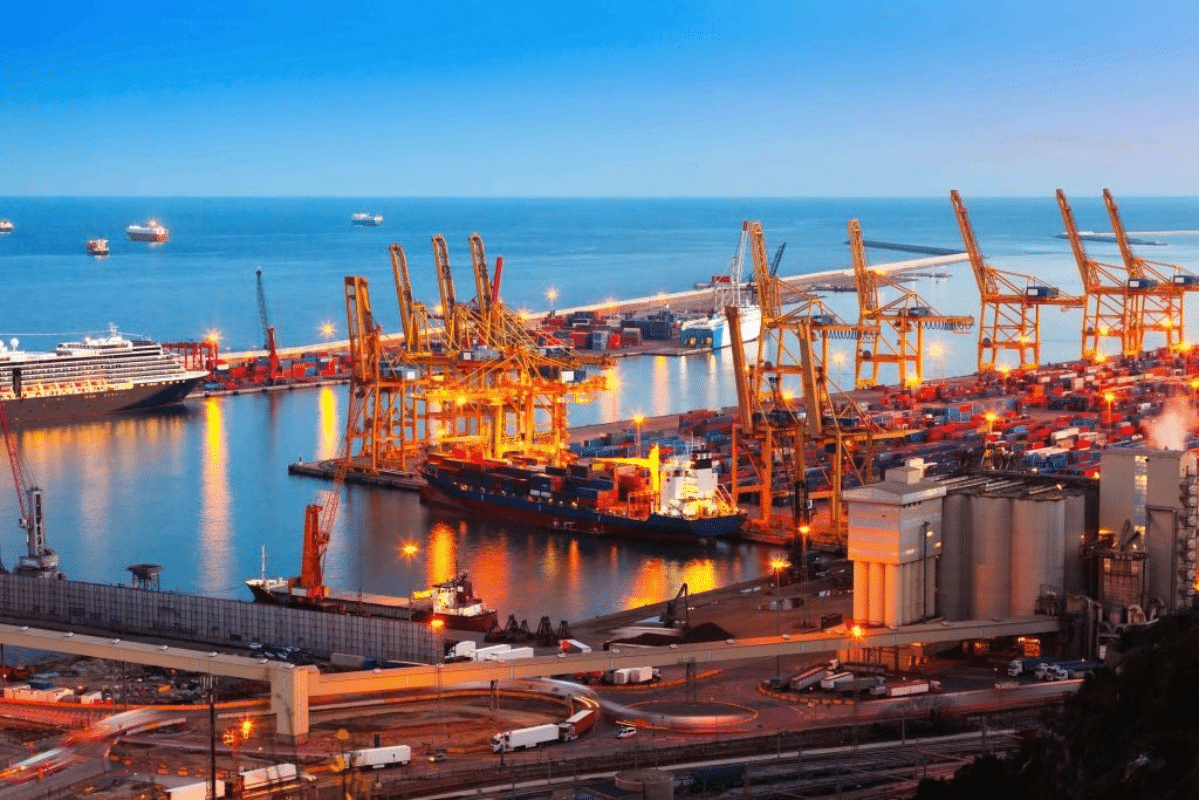
Singapore was originally a small island nation that made its riches as a centre for trade and commerce. As of 2026 however, they are using robot and AI technology for logistical solutions through their base in Singapore as an international shipping destination. The Singapore logistics and shipping industry is one of the key reasons behind Singapore’s continued economic wealth.
The new Mega Port in Tuas is almost completely automated. The volume of containers being shipped between Europe and China is processed through here. So it is also one of the largest industries in Singapore. The incredible logistics capabilities mean that Singapore has also become a major centre for “cold chain” logistics. Such as oving items that require refrigeration (e.g., vaccines) from one part of the world to another without them going either stale or inedible. As an island nation with no natural resources, becoming the world’s fastest. And most efficient courier service is an extremely savvy business plan for Singapore. Which is why it is one of the major economic growth areas in Singapore.
04. High-Value Manufacturing & The Singapore Leading Industries Report
Many believe that Singapore is solely a service economy. However, the “manufacturing industry” alone contributes approximately 20% of the country’s GDP. They produce goods of higher quality than other countries produce cheaper products. The Leading Industries Report From Singapore shows that Biomedical Manufacturing is a leader in the effort. Companies produce products such as pacemakers, cancer medications, etc. There are many reasons WHY these large pharmaceutical companies want to set up plants in Singapore. However, one of the biggest reasons is that there is a high level of quality assurance with the manufacturing process in Singapore thus providing these organizations with a competitive advantage. Hence, it is easy to see why some of these companies refer to their operations in Singapore as such.
The biomanufacturing industry is also a “stable” industry, in that regardless of what happens to the technology sector in a given calendar year. The global population will require medical treatment. So, this leads us to conclude that by definition, the biomanufacturing industry is one of the “strongest” industries in Singapore because they continue to manufacture products despite having high land and labor costs. Manufacturers like to think out of the box when creating new and innovative products. Therefore, they are able to produce their products by continuing to study and examine their processes on an ongoing basis, thus ensuring they have the resources necessary to develop new products. As well as maintain their existing inventory, to provide customers with the highest quality products and services available.
05. The Digital Frontier: Singapore Technology Industry
Finally, we’ve reached our technology industry in Singapore, where many of the most amazing things are taking place—from software development to cybersecurity, and artificial intelligence research. This market encompasses just about every type of technology available, as it serves to connect the other markets together. The government has put incredible effort into their “Smart Nation” initiative. By 2026, every company in Singapore will be required to go digital or risk being left behind. This has created a substantial new market for technology companies. Which is why you will find almost all global-size tech companies with a regional headquarters in Singapore, from Google and Meta (Facebook) to TikTok, etc.
The speed at which the technology sector is growing is one of the fastest of Singapore’s economic growth sectors. It continues to change the ways in which we eat, travel, and work as well as enabling banks to be faster and ports to be smarter when you look at the business landscape of Singapore. So, there you have it—a quick “kopi talk” version of what makes the island tick. It’s not just about having a high exchange rate. It’s about having a very diversified “portfolio” that keeps them ahead of the curve. Whether it’s the chips in your phone, the security of your bank account, or the medicine you take, there’s a high chance Singapore had a hand in it. It’s a small island that thinks very, very big.


