


From Chips to Green Credits: A Real Talk Guide to the Key Singapore Economic Growth Sectors in 2026
If you take some time to go around either Marina Bay by foot or scroll through LinkedIn , you would have noticed that the “feel” of economics has changed. For those living in the region, Singapore has always been an overachiever nearby. In Singapore Economic Growth Sectors 2026 , Singapore earns money has changed from just being a “hustle and bustle” port. It will be more technologically advanced and specialized.
- 01. High-End Manufacturing: A Pillar of Singapore Economic Growth Sectors
- 02. Digital Economy & AI: The “New Cool” of Singapore
- 03. Modern Services: Strengthening Singapore Economic Growth
- 04. The Green Economy: Future Opportunities in Singapore Economic Growth Sectors
- 05. Biomedical Sciences: Innovation in Singapore Economic Growth Sectors 2026
Have you ever wondered why everyone discusses data centres or why your banker friend now has a title of “ESG consultant”? It’s not just a passing trend but represents major changes taking place. All part of the massive reshuffling of the deck. Let’s examine what really is driving the change this year through without the headache of a 50-page central bank report.
01. High-End Manufacturing: A Pillar of Singapore Economic Growth Sectors
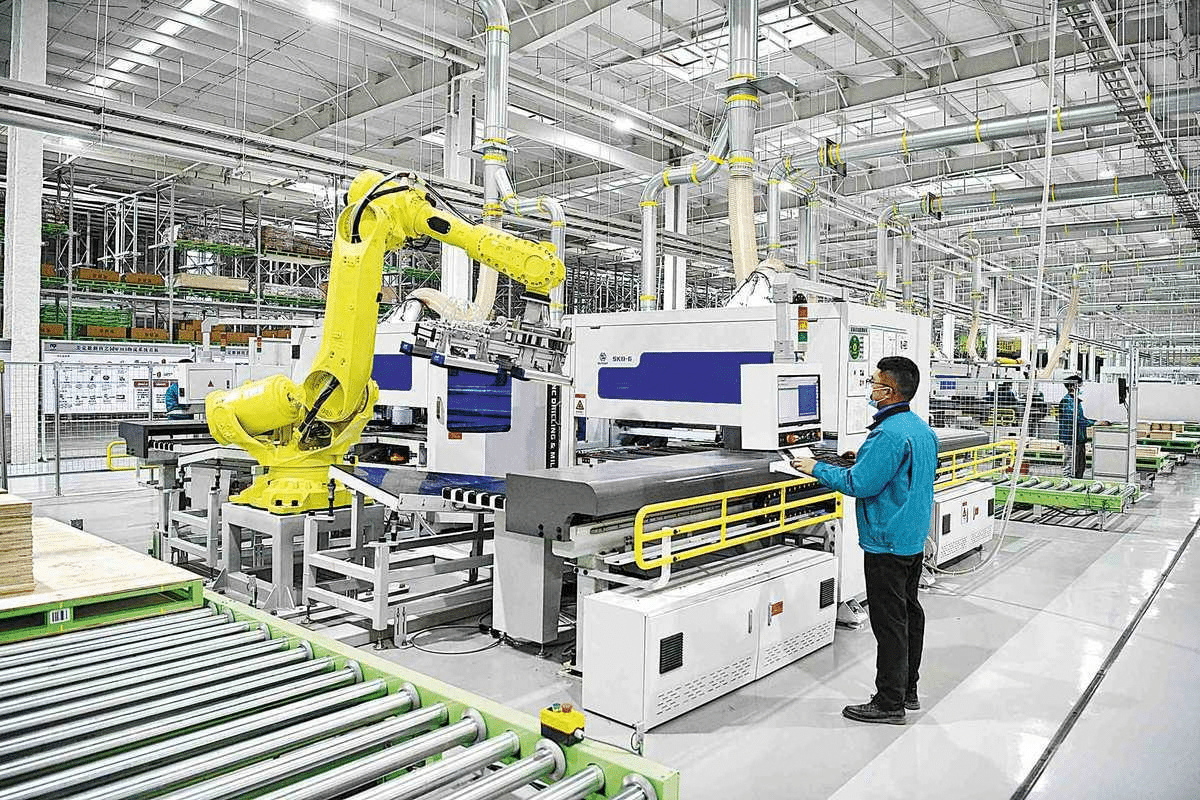
Manufacturing in Singapore probably seems like an antiquated concept (-expensive land, expensive labour). But Singapore’s not making umbrellas, or making itty baby toys anymore; instead they have shifted to producing more “difficult” items. Hence, manufacturing has become one of the most durable areas of economic growth in Singapore. Therecovery of the cluster of electronics located in Singapore in 2026 is really happening. Anytime you use your mobile device or computer, the most complex component in either is likely to be manufactured in the locations of Woodlands. As the world has an insatiable need for semiconductors. Rampant expanding AI and electric vehicles means Singapore will continue focusing on its investment in the building blocks of the “brain” in machines.
High growth manufacturing sectors in Singapore actually do not just depend on electronics but also on precision engineering. Consider specialized aerospace components. Companies producing turbine parts for aircraft again tend to come here due to our high level of precision. For many of these companies it is more important that the product be of superior quality than it is to take the largest share of the total market that they can. This continues to be a large contributing factor to Singapore Economic Growth Sectors 2026 . And also demonstrates that a small country with an economy that is sufficiently focused on high technology can be a powerful influence as a manufacturing center.
02. Digital Economy & AI: The “New Cool” of Singapore

When one thinks of 2026, it cannot help but bring to mind AI. AI has permeated all walks of life. But in regard to the Singapore context, AI and digital economy growth is not only about chatbots and creating humorous images. It is about the foundation of new technology through the networking of computers to create infrastructure and “plumbing” for the Internet. Therefore, Singapore has increasingly become the Digital Capital of Asia. Without any natural resources, such as oil or gold, data has effectively become the new oil. Large tech companies continue to establish headquarters here not only for tax reasons. But also due to there being a very solid digital infrastructure in place. This transition is one of the primary reasons that those monitoring Singapore’s economy are paying close attention to the sectors of the economy that are involved with technology.
When you think of emerging technology industries in Singapore in 2026, think about cloud computing and cybersecurity. Most people want to store their data in the safest place. For that reason, companies from throughout SE Asia are establishing businesses here in order to secure their data. This “trust elements” is a big part of the Singapore GDP growth forecast by Singapore Economic Growth Sectors 2026. As more regional commerce relocates their digital operations to Singapore-based servers. It’s invisible work, but it maintains the economy from now on.
03. Modern Services: Strengthening Singapore Economic Growth
If you’ve ever taken a stroll through the Central Business District during the lunch hour, you will know how busy the finance crowd is. But the financial services outlook for Singapore in 2026 looks quite different from when it was first envisioned five years ago. Instead of just being about counting money, managing it through sophisticated technology has cemented the Financial Services as one of the major sectors of Singapore’s economic growth.
There are an increased number of family offices and wealth management companies being established in Singapore and with people moving their wealth there from around the world. Due to its safety and stability, it is now viewed as a “financial safe haven“. However, there is more potential for growth within the Fintech sector, with the ability to do cross border payments and digital banking. As exemplified by the resilient Singaporean modern services sector. With banks now being viewed more as tech companies then as occupying a vault, they now hold the key to ensuring that the movement of money keeps the economy afloat. Even when the global markets experience challenges.
04. The Green Economy: Future Opportunities in Singapore Economic Growth Sectors

This topic is emerging as an opportunity to do business differently. There have been a lot of solar panels on HDB rooftops lately. There have been many electric buses on the roads. This is a demonstration of how the “Green Economy” is alive. And there is a growing conversation about how the “green economy” will be one of the main focuses of economic growth in Singapore. But this will change as the government continues to push for more sustainability in the economy. The green economy is not just about being sensitive to the environment but is redefining how we conduct business. For example, new trends in sustainable building construction in Singapore are actually changing the way buildings function by using products. Such as “eco – friendly” cement or by creating buildings that require little or no air-conditioning in hot weather.
Additionally, carbon trading is growing quickly. Singapore is positioning itself as a marketplace for companies to buy and sell carbon credits. Carbon trading is a relatively new concept that is still evolving. But is quickly becoming relevant as the global economy works towards net zero carbon emissions. This service will be a key player in Singapore’s GDP growth forecast for 2026. As it acts as an intermediary between carbon credits and green energy, making Singapore a very lucrative market to be active in.
05. Biomedical Sciences: Innovation in Singapore Economic Growth Sectors 2026
The most recent topic we are discussing is labs and their relation to the explosion of new MedTech companies over the past few years and new areas within biomedical sciences and medtech exploding and hitting peak growth in 2026. During the pandemic, we learned just how much available local manufacturing and testing of vaccines was required. It ensures that we as a nation could properly handle the pandemic. Today, we see that Singapore has fast become a Centre for “personalized medicine“. Medically tailored to your DNA and, consequently one of the fastest-growing industries in Singapore in 2026.
Attracting scientists, researchers and innovators around the globe into this incredibly high brooding. But very high reward, industry, largely because of the positive health outcomes for people and the sustainable economic growth that ultimately results from healthy populations. The fact that a global pharmaceutical company is establishing a multi-million-dollar manufacturing facility in Tuas. It is a sign of long-term confidence in the country’s economic growth and. Thus, it’s a good reminder of how diverse and interesting the list of MedTech investment opportunities are and will be in the future as a result of the deep technological innovations being made over the next few years.
Watching these industries grow gives me the same feeling as watching a garden grow. All different types of plants are growing and developing but they are doing so in the same type of soil. Whether it’s the chips in our wallets or the green buildings we work in, the economy continues to be transformed into something that is more ‘future-proofed’. To those of us on the other side of the causeway, it doesn’t really matter how much money is being made per month or per quarter. What matters more are the new jobs being created and what skills will need to be learned by our children. As well as where the next ‘big thing’ is going to come from. The Little Red Dot is small, but its engine is definitely running on very high-technology fuels.


