
From FinTech to AI Innovation: Navigating the Most Dynamic Singapore Digital Economy Sectors
If you have recently been to Orchard Road or Raffles Place, you’ve likely noticed that there is a noticeable difference from just a few years ago. This difference is more than simply seeing additional robots cleaning trays at hawker centers, or the everyday use of PayNow for virtually every transaction. However, there is much more significant change occurring beneath the surface of the Lion City. All you hear people discuss is the term “Digital Transformation” or “Smart Nation”. However, for all of us that live in Asia, what does that really mean? In short, Singapore is aggressively pursuing being Asia’s brain. Other parts of the world are still trying to figure out what basic digitalization is. Singapore digital economy sectors is already in the hyper-intelligence stage.
Singapore operates like the friend who bought Bitcoin in 2013 – Singapore is perpetually attempting to stay three steps ahead. Looking forward to 2026, the major theme will be “AI-First”. No longer does it matter if you have an app. The focus is on the app’s ability to think on its own. Therefore, if you’re trying to identify where the money is going, where the jobs will be created. And ultimately who will produce the “next big thing”, you’ll have to pay close attention to how the specific industries and/or companies within those industries are developing.
2026 Industry Pulse
The Powerhouse of Singapore Digital Economy Sectors
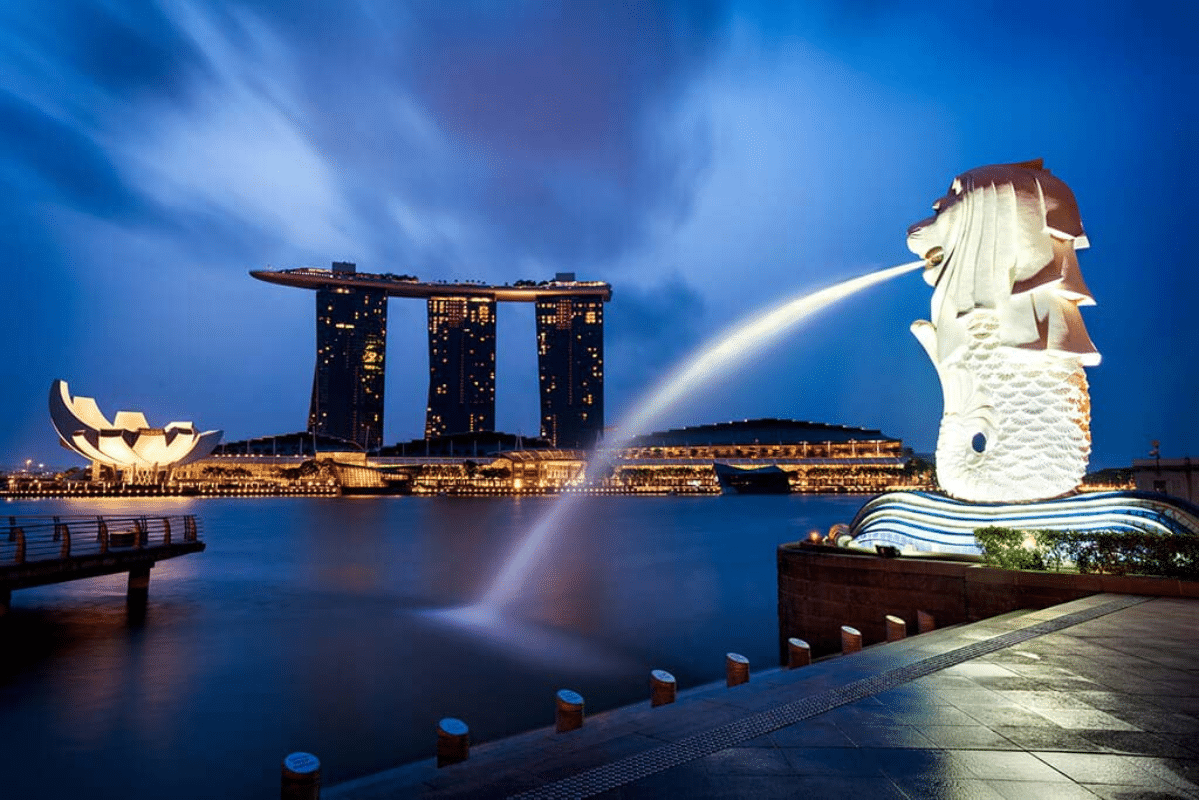
Singapore’s economy has now become an enormous force; the digital economy represents almost 20% of Singapore’s GDP. The digital economy, by 2026, will become the Singaporean Economy. Think about purchasing an insurance policy or how a Grab delivery driver finds the best route to deliver your food during the heavy rain in Jurong. The information and communications sector in Singapore is what allows all this to happen. It is the foundation of the economy. In the past, “tech” would have been considered as separate to the other industries. Now, no matter what you’re doing (F&B, or traditional retail in a heartland mall), you’re part of this digital web.
What’s also cool is the interconnectivity between all industries. The Singapore government has been very proactive in ensuring that there is an infrastructure in place. That allows data to be transmitted safely and reliably across industries. This is why Singapore is much more competitive than other countries in the region. While many countries in Southeast Asia are struggling with cash, Singapore is already thinking about how to use a digital thread to connect its entire city-state.
Singapore digital economy sectors 2026: AI Integration
As of 2024, individuals around the world will have experienced using ChatGPT for various fun scenarios and activities. It will be interesting to see how far AI will advance in Singapore with its industry progression. The first major trend from within the Singapore technology industry in 2026 relates to “Vertical AI.” Companies are creating AI that is designed to be used by a specific industry, rather than utilizing a generalized AI. Law firms in the central business district will use AI technology. That is programmed to understand the laws of Singapore, rather than the more generalized laws that are applicable to the rest of the world.
The location of Singapore as a small geographic area will allow Singapore to build an AI and data economy on the collection of high-quality and localized data. His data is similar to digital gold. It provides companies with the ability to predict the timing of bus arrivals to the timing of when a factory machine located in Tuas will break down prior to when actual failure occurs. It is this unique and predictive capability that will provide Singapore’s economy with future growth.
Singapore continues to experience exponential growth in data center development. Due to limited land area, the Singapore government is more selective about which companies are allowed to build data centres. And they have placed an emphasis on building “green” and energy-efficient facilities that will serve as the physical infrastructure from which AI will function. Consequently, without the data center infrastructure, Singapore’s Smart Nation vision as it currently resides would be nothing more than a concept with no real tangible measure of its existence.
The Resilience of the Fintech Singapore Ecosystem

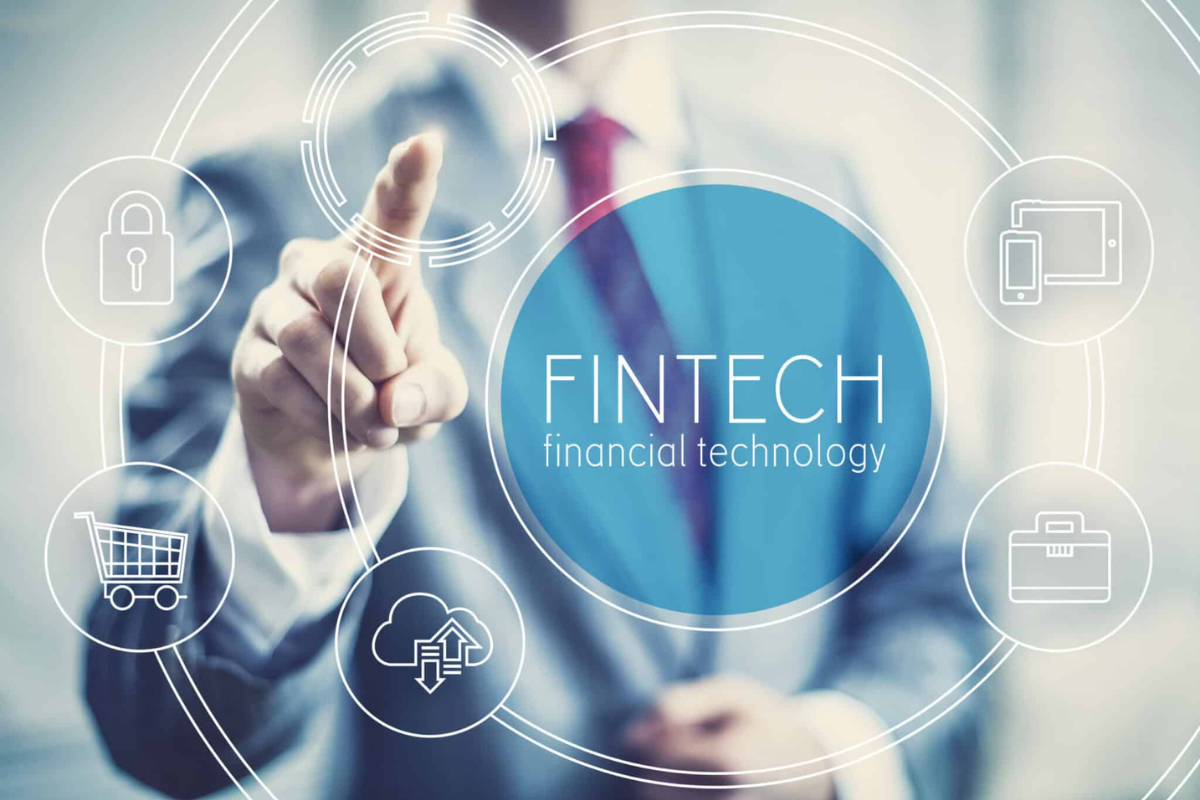
There is no way to discuss Singapore without talking about money, therefore, the development of fintech Singapore ecosystem for 2026 has changed much more than just having a digital wallet to access funds. Also with this development is the expansion of “wealth tech”. In previous years if you wanted to invest $5,000 all you needed to do was go to the branch of a bank where you waited until your number was called and spoke with a relationship manager. This is now a thing of history as you can also watch little old aunties at the market looking at mobile devices to find robo-advisors for investment help. As a result of this development the entry into financial services has dropped to virtually nothing. This is one of the significant parts of Singapore’s economy digital transformation from an average person to being able to access complex financial instruments.
It is interesting to note how traditional banks are evolving. Rather than fighting against startups, they have welcomed them into their homes. DBS, OCBC and UOB have all made a shift to be technology companies with an associated banking license. Additionally, they have begun heavily using cloud computing to ensure that their systems do not fail, particularly during the time everyone will attempt to log into their systems at midnight on pay day to transfer funds. The trends for 2026 will also be focused on “cross-border” connections. As more countries integrate, it will become much easier to pay for goods using your Singapore banking app when you travel to Bangkok or Johor Bahru. This regional integration is another major reason for Singapore to be the digital hub for Asia.
Digital Services Singapore Growth in Every Household
Let’s look at how we experience digital services in Singapore every day and just how successful they have become almost subtly due to their integration into our lives. Consider healthcare for example: a few years ago, “telemedicine” sounded like a strange idea. But today if you have a common cold, you’re more likely to want to have a video consultation with your doctor. While lying in bed rather than go to the clinic and then risk contracting something else by being in a waiting room. And then you can have your medication delivered to your door within two hours. This is what the digital economy looks like.
Another element of this is that the cloud computing market in Singapore is a huge unsung hero. Every time you stream a movie on a local site, use an app to order groceries, or use a local government site. You actually have hit the cloud. The reliability we experience in Singapore—”systems down” are rare, and when they do occur, they seem to make headlines everywhere. Which are largely due to the massive investment made in this infrastructure. We are also seeing an increase in “hyper-personalization.” Your apps now understand behaviors better than your mother. Your app knows on Tuesday you normally order chicken rice, and it also knows how much chili to put in. Some may view this as almost “big brother-ish,” but most users appreciate the convenience. After all, time is money in Singapore.
Securing the Future: Cybersecurity Singapore Market
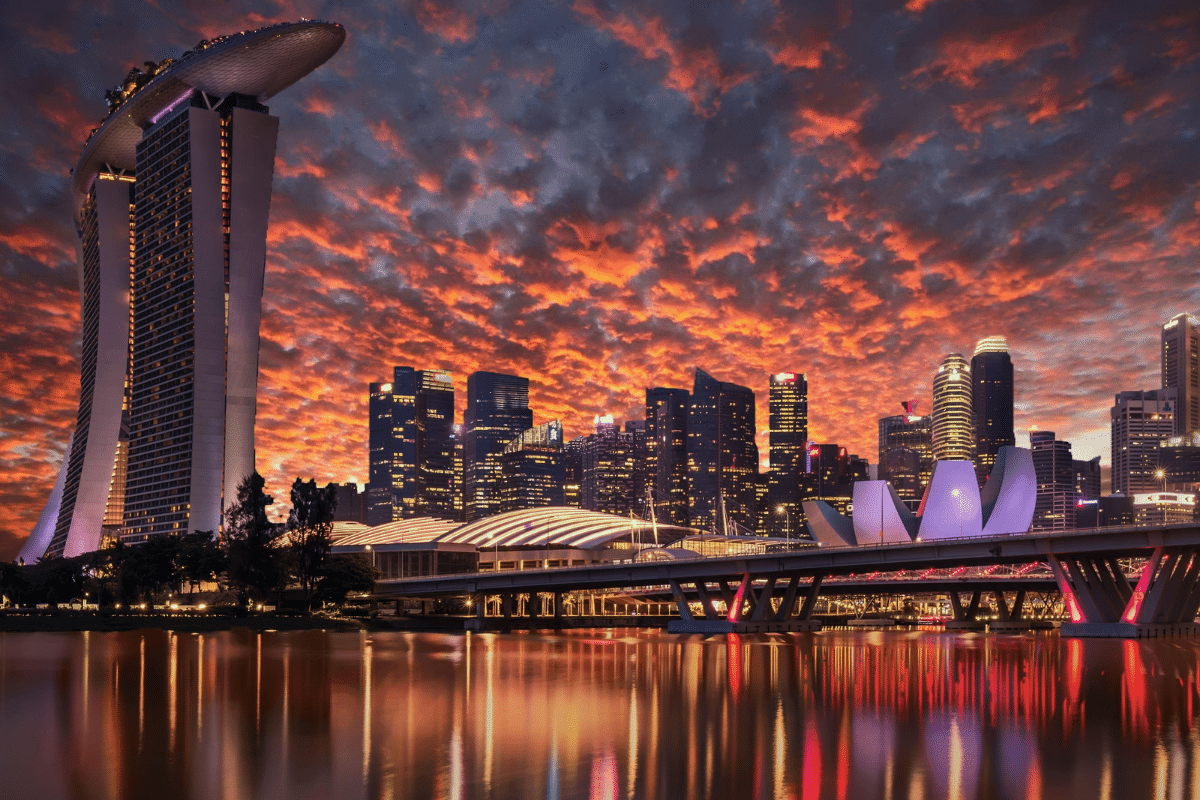
So let’s now turn our attention to the “Police” of the digital world. As we continue to do more of our lives through the internet, the “bad guys” are becoming better at what they do too, which is why the cybersecurity Singapore market is booming in 2026!
Everyone is talking about scams, right? We’ve all seen those “Hi, I’m from the high court” or “you have a parcel waiting” types of messages. Singapore has spent a lot of money on AI-driven security in order to combat this. It’s no longer just a matter of having a good password. We now have systems that can detect “weird behaviour” in real-time.
If the Singapore digital economy sectors are going to be successful, trust has to be the most important currency among the digital economy. If people are fearful using digital payment of any kind, then this whole entire system will collapse. That’s why there are so many different initiatives being created by both the government and private sector aimed at educating people and building “unhackable” systems.
This security does not just protect our bank accounts, however; it also protects our data privacy. By 2026, there will be some of the strictest and yet most pragmatic data protection laws in the world in Singapore. It’s a delicate balance: wanting to use the data in order to improve your life. Whilst at the same time, not wanting this information leaked out into the public’s free community.
This “Safety First” mentality is ultimately what keeps international tech giants choosing to use Singapore as their regional headquarters despite high operating costs associated with having a presence there.
Above all else, these things can be summed up by looking at one thing: putting value into how to make life easier so we can focus on what really matters. Whether you are an entrepreneur or just an average Joe trying to figure out how to live your day-to-day life. These changes will all help you understand where the world is headed. It’s not just about having the newest technology; rather, it’s about how we will approach living in the 21 century.