

Why ESG reporting startups are quietly becoming a must-have for Malaysian founders, not just a “nice-to-have”
If you have spent time around startup circles in Kuala Lumpur, Penang, or even Johor Bahru lately, you might notice a subtle shift. Conversations are no longer only about user growth or runway. ESG keeps coming up, sometimes quietly, sometimes awkwardly. Many founders still assume ESG is something for public-listed companies or multinational corporations. But the reality on the ground looks very different now. ESG reporting startups are stepping into a gap that small teams did not even realize they had. A common scenario goes like this. A startup prepares for a fundraising round. The pitch deck is solid, traction is there, numbers make sense. Then someone asks, “Do you have any ESG disclosure?”
At that moment, many founders freeze. Not because they do nothing on ESG, but because they never documented it. This is where ESG reporting for fundraising startups becomes relevant, especially for venture-backed teams. In Malaysia, this question is becoming more frequent, even at early stages.
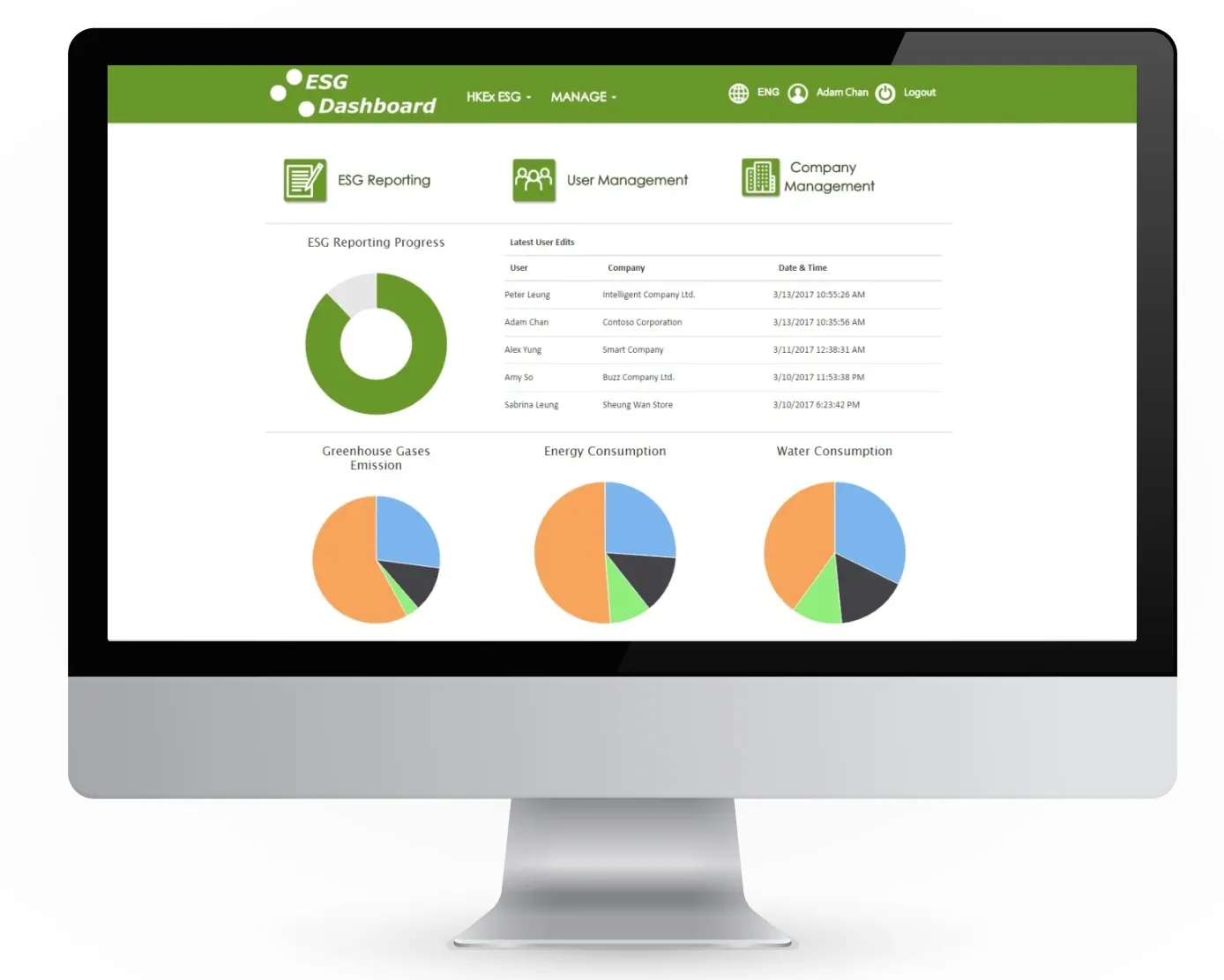
Many people imagine ESG as thick reports, consultants, and complex scoring systems. But simplified ESG reporting for SMEs is changing that perception.
Most ESG reporting tools for startups focus on basics first. Energy usage. Employment practices. Data privacy. Governance structure. Things founders already deal with daily, just not framed as ESG. Once people see it that way, ESG stops feeling intimidating.
A lot of ESG frameworks were designed with Western markets in mind. But ESG reporting for startups Malaysia has its own flavor.
Local regulations, Bursa Malaysia guidelines, and government-linked funding bodies are slowly aligning expectations. Startup ESG reporting requirements 2026 are expected to become clearer, not necessarily heavier, but more standardized. This is why ESG disclosure for startups Malaysia is increasingly discussed at accelerators and industry events, even if quietly.
Founders do not have time to manually track everything. That is where ESG reporting automation for SMEs comes in. Automation does not mean overcomplication. It usually means pulling data from payroll, accounting software, or basic operational records. Affordable ESG reporting solutions startups focus on reducing friction, not adding more work. For lean teams, this makes ESG reporting realistic instead of aspirational.
Many people do not realize this yet, but ESG reporting startups are becoming part of how trust is built. Not trust in a moral sense, but operational trust. Investors want to know that a company understands its risks. Partners want clarity. Even potential hires care more than before. In that sense, ESG reporting for venture-backed startups is less about scoring points and more about showing maturity.
One common misunderstanding is that ESG reporting means having everything figured out. In practice, most ESG reporting startups encourage incremental progress. Start with what you know. Be transparent about gaps. Update as the company grows. This approach aligns well with how startups already operate. It is closer to iteration than compliance.
In Malaysia’s startup ecosystem, ESG is no longer a distant concept. ESG reporting startups are making it part of everyday operations, not by forcing complexity, but by reframing what founders already do. For many teams, the shift is not about becoming “more sustainable” overnight. It is about understanding expectations early, before those expectations become mandatory.
Review whether your current internal data could already support basic ESG disclosure.
- Bursa Malaysia ESG Reporting Guide
https://www.bursamalaysia.com/about_bursa/sustainability/esg_reporting
- OECD – ESG and SME Sustainability Practices
https://www.oecd.org/corporate/sme-sustainability/
- World Economic Forum – ESG Reporting for Early-Stage Companies
https://www.weforum.org/publications/esg-reporting-for-early-stage-companies/