

When “Going Green” Stops Being a Trend and Starts Becoming Strategy — Understanding Green Business Strategies in Malaysia 2026
A few years ago, whenever someone mentioned Green business strategies, most business owners in Malaysia would smile politely and say, “Good idea, but maybe later.” Later has quietly arrived. Electricity bills are no longer what they used to be. Export clients are asking for ESG disclosures. Even local tenders now come with sustainability checklists. The conversation has shifted. It’s no longer about looking environmentally friendly. It’s about staying commercially relevant. And the interesting part? Many companies are already doing pieces of it — just without calling it that.
Let’s be honest. For most SMEs in Malaysia, sustainability didn’t start with carbon goals. It started with cost. When energy tariffs fluctuate, when raw material prices climb, when supply chains get disrupted — suddenly waste becomes very visible. That’s where many Carbon reduction strategies for businesses actually begin.
Simple example. A factory in Shah Alam switches to more efficient lighting and optimizes machine idle time. The reason? Reduce overhead. The side effect? Lower emissions. This is how Low-cost green business strategies often look in real life. They don’t arrive with a sustainability officer and a thick report. They begin with a practical question: “Where are we leaking money?” The climate benefit comes quietly in the background.
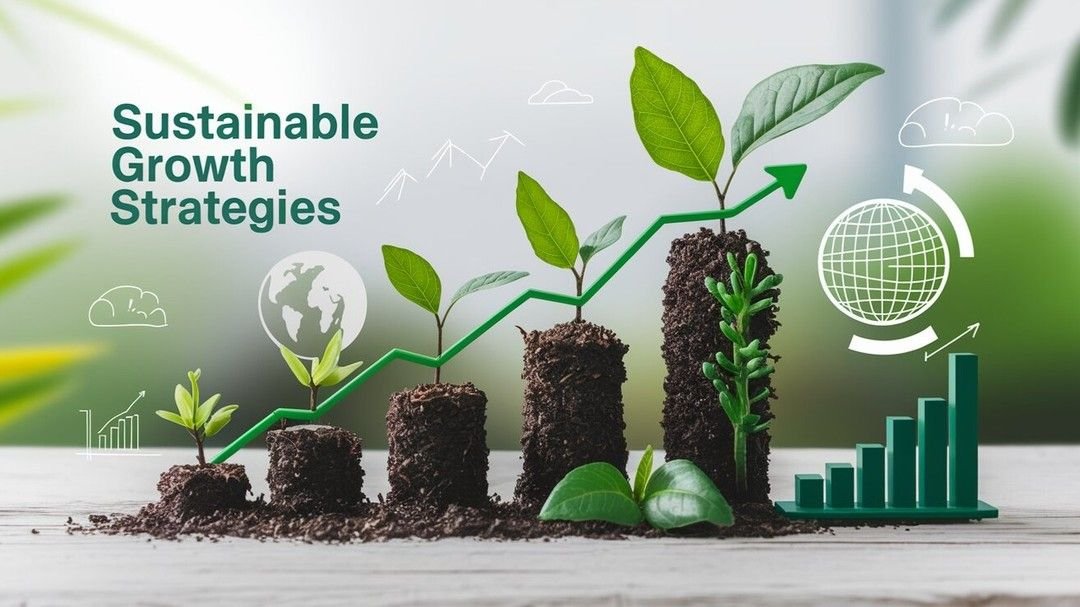
Green business strategies Malaysia 2026 isn’t just a buzz phrase. There’s a structural shift happening. Export-oriented companies are facing Scope 3 reporting requirements from European partners. Local banks are tightening ESG risk assessments before approving loans. Even startups pitching to VCs are being asked about sustainable operations strategy 2026.
Many founders didn’t expect this. They built tech platforms, F&B chains, logistics startups — and suddenly the question is, “What’s your ESG-driven business strategy Malaysia?” It feels like a new layer of responsibility. But it’s also a new layer of differentiation. There’s a common misunderstanding that Sustainable business strategies for SMEs are complicated and expensive. In reality, SMEs often move faster than corporates.
A small manufacturing firm can redesign packaging within weeks. A café chain can switch suppliers more easily than a listed company bound by long-term contracts. A local distributor can digitize inventory tracking without multi-layer approvals.
That flexibility becomes an advantage in building a Green business roadmap Malaysia that is realistic — not theoretical. Many SMEs aren’t publishing sustainability reports. But they are reducing waste, consolidating deliveries, renegotiating energy contracts, and investing in basic data tracking. Step by step, they are building a Sustainable competitive advantage ESG — even if they don’t label it that way.
For startups, the dynamic is different. Green growth strategies startups Malaysia are less about retrofitting and more about designing differently from the start. Think about logistics tech platforms optimizing route efficiency. Or agri-tech companies reducing fertilizer overuse with data analytics. Or fintech platforms integrating carbon tracking features for SMEs.
These are Green business models Malaysia startups are experimenting with — not because it sounds good, but because investors and regional markets are already aligning around sustainability metrics. Founders in Penang, KL, Johor — they’re quietly recognizing that if you build without ESG awareness now, you might rebuild later at higher cost.
One thing many business owners worry about: “If we can’t be fully green, should we even start?” That mindset slows everything down. Green business transformation Malaysia rarely happens in one dramatic announcement. It’s gradual. It’s operational. Sometimes even invisible to customers.
Switching to energy monitoring software. Reviewing supplier emissions data. Reducing packaging layers. Training staff to separate waste properly. These aren’t headline moves. But collectively, they reshape how a company runs. And over time, they influence brand perception, financing access, and even hiring appeal — especially among younger talent who pay attention to sustainability narratives.
Many people frame sustainability as compliance. But when you look closer, Sustainable competitive advantage ESG is actually about risk control and future readiness. In that sense, Green business strategies are less about moral positioning and more about strategic insulation. Malaysia’s market is still developing in this area. Which means early movers aren’t just “green.” They’re structured differently.
Not a 100-page document. It usually begins with three simple questions: From there, companies layer in measurable targets. Maybe 5% energy reduction this year. Maybe gradual adoption of reporting standards. The key is sequencing. Not everything at once. Not chasing trends. Just building internal clarity.
Because Green business strategies only become powerful when they are integrated into budgeting, procurement, and leadership decisions — not parked inside a CSR folder. Across Malaysia, the shift is happening quietly. SMEs adjusting operations. Startups embedding sustainability into design. Corporates tightening ESG frameworks. What once sounded like environmental activism now feels like business architecture. Green business strategies are no longer about image. They are about structure. And in 2026, structure is what determines who adapts — and who struggles.
Map your top three energy and supply chain risks for 2026, then align them with measurable green adjustments.
https://www.bnm.gov.my/climate-change-principle-based-taxonomy
- Bursa Malaysia – Sustainability Reporting Guide
https://www.bursamalaysia.com/regulation/sustainability
- SME Corp Malaysia – SME Masterplan and Sustainability Initiatives
https://www.smecorp.gov.my/