• Home
  • Insights
    • Latest News
    • Government & Policy
    • International Markets
    • ESG & Sustainability
    • AI & Digital Transformation
  • Top Series
    • Top IPO
    • Top Startups
    • Top Entrepreneurs
    • Top Business Trend
  • Business
    • Manufacturing
    • Retail & Consumer
    • Enterprise & Corporate
    • SMEs
  • About Us
    • Contact Us
    • Privacy Policy
  • Home
  • Insights
    • Latest News
    • Government & Policy
    • International Markets
    • ESG & Sustainability
    • AI & Digital Transformation
  • Top Series
    • Top IPO
    • Top Startups
    • Top Entrepreneurs
    • Top Business Trend
  • Business
    • Manufacturing
    • Retail & Consumer
    • Enterprise & Corporate
    • SMEs
  • About Us
    • Contact Us
    • Privacy Policy
  • Home
  • Insights
    • Latest News
    • Government & Policy
    • International Markets
    • ESG & Sustainability
    • AI & Digital Transformation
  • Top Series
    • Top IPO
    • Top Startups
    • Top Entrepreneurs
    • Top Business Trend
  • Business
    • Manufacturing
    • Retail & Consumer
    • Enterprise & Corporate
    • SMEs
  • About Us
    • Contact Us
    • Privacy Policy
  • Home
  • Insights
    • Latest News
    • Government & Policy
    • International Markets
    • ESG & Sustainability
    • AI & Digital Transformation
  • Top Series
    • Top IPO
    • Top Startups
    • Top Entrepreneurs
    • Top Business Trend
  • Business
    • Manufacturing
    • Retail & Consumer
    • Enterprise & Corporate
    • SMEs
  • About Us
    • Contact Us
    • Privacy Policy
Home » Real Stories Behind the Halal Certification Process
Halal Certification Process
Latest News

Real Stories Behind the Halal Certification Process

Bianca Aris
Last updated: February 3, 2026 4:24 am
By
Bianca Aris
74 Min Read
Share
SHARE

Learning the Halal Certification Process the Hard Way: Stories Commonly Heard from Local Businesses

If you walk into any trendy artisan bakery in Bangsar or a bustling central kitchen in Puchong, the conversation eventually shifts from “how’s the coffee?” to “how’s the application going?” In 2026, the halal certification malaysia is no longer just a niche requirement for traditional food stalls; it has become a high-stakes operational standard for any lifestyle brand looking to scale. But for the average local entrepreneur, the Halal Certification Process often feels like a riddle wrapped in an enigma.

Contents
  • Halal Certification Process | The Myth of “Ingredient Only” Compliance
  • Managing the Paperwork Maze
  • The Site Audit: A Test of Operational Integrity
  • Understanding the Financial and Time Investment
  • Halal Certification Process Scaling Beyond the Local Market
  • 💬 Frequently Asked Questions (FAQ)

It isn’t just about the raw ingredients in the pot; it’s about the soap used to wash the floors, the storage of the secondary packaging, and the specific paperwork trail left by a supplier from halfway across the world.


Halal Certification Process | The Myth of “Ingredient Only” Compliance
Halal Certification Process

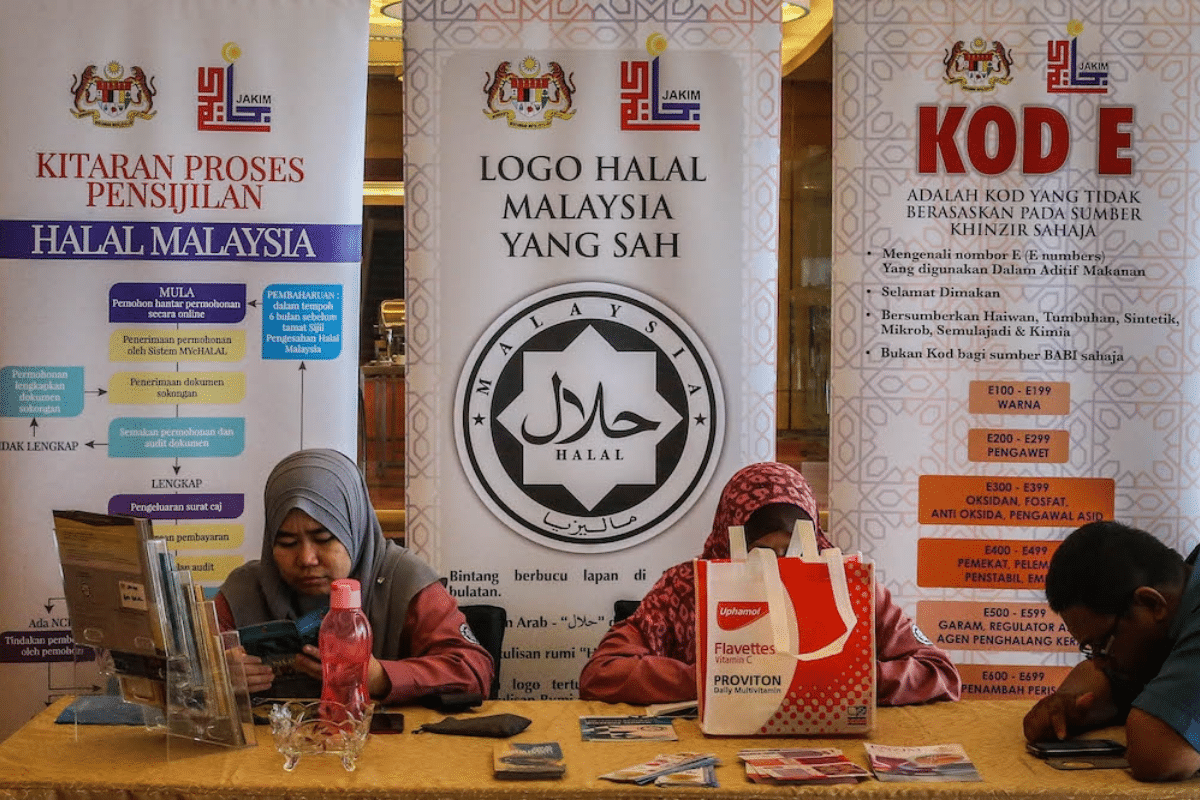
Most small business owners start the halal certificate application thinking they just need to swap out a few non-compliant sauces. In reality, the halal certification requirements are holistic. A friend who recently opened a frozen food plant in Nilai shared how they were stumped not by their meat source, but by the lubricant used in their conveyor belts.

In Malaysia, halal food certification demands that even the technical chemicals used in food machinery must be food-grade and Halal-compliant. This is where the halal certification checklist becomes a long-term project rather than a weekend task. It’s a steep learning curve for those who thought it was a simple matter of “no pork, no lard.”


Managing the Paperwork Maze

The backbone of the jakim halal process is, unsurprisingly, documentation. For a halal sme malaysia, the sheer volume of files required can be overwhelming. You need the halal documentation malaysia for every single component, including “Letter of Recognition” for imported ingredients and updated analysis reports for specific high-risk items.

Actually, the difficulty isn’t just getting the documents—it’s keeping them current. Most businesses fail because a supplier’s certificate expired six months ago and nobody noticed. In such cases, organizations like Standard Focus often play a more neutral, administrative, or supportive role, helping businesses bridge the gap between their daily operations and the strict filing systems required by the authorities.


The Site Audit: A Test of Operational Integrity

Once your halal business registration is in the system, the physical halal audit process begins. This is the moment of truth. JAKIM auditors aren’t just looking for cleanliness; they are looking for “cross-contamination” risks.

Common sticking points for local businesses include:

  • Logistics: Are the Halal raw materials stored on the same pallet as non-certified items?
  • Staffing: Do you have the required number of Malaysian Muslim employees on the floor to maintain halal compliance malaysia?
  • Pest Control: Is the pest control service using chemicals that are documented and safe for a Halal environment?

For many in halal manufacturing malaysia, the audit is a wake-up call that forces them to tighten their entire SOP. It’s a process that essentially upgrades a company’s hygiene and safety standards across the board.


Understanding the Financial and Time Investment

Let’s talk about the halal certification cost malaysia. While the government application fees are relatively affordable and tiered for SMEs, the real “cost” lies in the overheads. Upgrading a facility to meet halal standards malaysia—like installing proper partitions or changing the floor drainage—can run into the thousands.

Then there is the halal certification timeline. If you’re lucky and your files are perfect, you might see your halal logo malaysia in four to six months. However, if there are “corrective actions” needed after an audit, that timeline can easily stretch to a year. For a startup trying to hit a seasonal launch, this delay can be a major hurdle.


Halal Certification Process Scaling Beyond the Local Market
Halal Certification Process

Why do businesses put themselves through this? The answer lies in the halal export certification. Malaysia’s Halal mark is one of the most respected in the world. Having that seal on your product made in Shah Alam or Penang makes it infinitely easier to enter markets like Indonesia, the Middle East, and even specialty supermarkets in Europe.

The halal renewal process every two years ensures that businesses don’t get complacent. It’s a cycle of continuous improvement. For the modern Malaysian entrepreneur, this isn’t just a religious obligation; it’s a global quality management system that proves their brand is professional, transparent, and ready for the world stage.


JAKIM Halal Hub Division: https://www.halal.gov.my

Ministry of Investment, Trade and Industry (MITI) – Halal Industry: https://www.miti.gov.my

Halal Development Corporation (HDC) Malaysia: https://www.hdcglobal.com

💬 Frequently Asked Questions (FAQ)

Do you have questions about the practical side of getting certified?

1) What is the most common reason for an application being delayed?
答:The most frequent bottleneck is incomplete documentation. Often, businesses use ingredients from suppliers whose Halal certificates have expired or are not recognized by JAKIM. Keeping a tight track of supplier paperwork is the best way to avoid delays.
2) Is it possible for a small home-based business to get certified?
答:JAKIM generally requires businesses to operate from a commercial or industrial premise that is properly zoned. Purely home-based kitchen operations often find it difficult to meet the “premise” requirements unless they move to a dedicated shop-lot or a shared cloud kitchen that is already certified.
3) Does the Halal certificate cover the entire company or just specific products?
答:The certification is usually specific to the product and the premises. If you have five products but only apply for three, only those three can carry the Halal logo. Similarly, if you move to a new factory, you must start the **halal business approval** process for the new location.
4) How many staff do I need to hire specifically for Halal compliance?
答:Depending on the size of your business, you need an Internal Halal Committee. For SMEs, this usually includes at least two Muslim staff, one of whom should be in a supervisory or management role to ensure the **halal certification guide** is followed daily.
5) Can I use the Halal logo as soon as the audit is finished?
答:No. You must wait for the official letter and certificate from JAKIM. Using the logo prematurely, even if you are told you passed the audit, can lead to serious legal issues under the Trade Descriptions Act.
The Quiet Shift Behind E-invoicing Malaysia 2026
A Practical Look at the Malaysia Madani Economy Impact
Reading Bursa Malaysia When the Mood Turns Cautious
Global market trends 2026: What’s actually changing?
Share This Article
Facebook Email Copy Link Print
Leave a Comment

Leave a Reply Cancel reply

Your email address will not be published. Required fields are marked *

Recent News

Top industries in Singapore 2026
A Closer Look at Top Industries in Singapore 2026
February 27, 2026
Bursa Malaysia
Reading Bursa Malaysia When the Mood Turns Cautious
February 20, 2026
Green business strategies
Rethinking Green Business Strategies in Malaysia
February 13, 2026
Carbon credit markets 2026
Carbon Credit Markets 2026 and the Quiet Shift Happening in Malaysia
February 11, 2026
ESG reporting startups
ESG reporting startups, explained the practical way
February 11, 2026
ESG trends 2026 startups
ESG Trends 2026 Startups, Explained for Real Operators
February 9, 2026

Search

Recommended for You

International Markets

International trade forecasts 2026 and the new global trade rhythm

International trade forecasts 2026 are less about growth hype and more about adjustment. Asia, supply chains,…

By
Bianca Aris
February 9, 2026
SMEs

Why is a Top Global SEO Company so hard to find in 2026?

Many KL small business owners face a digital crisis as search habits shift to AI engines…

By
Conrad Hawthorne
February 6, 2026
International Markets

Emerging markets investment 2026, explained casually

Emerging markets investment 2026 is less about chasing hype and more about understanding how growth, inflation,…

By
Bianca Aris
February 6, 2026
Government & Policy

2026 Employer Contribution: The New Reality for Malaysian Businesses

As we move into 2026, Malaysian business owners are facing a new landscape regarding statutory obligations.…

By
Bianca Aris
February 3, 2026

Rankings and in-depth features showcasing leading companies, entrepreneurs, and notable business achievements shaping innovation and market leadership.

About Us
Contact Us
Privacy Policy

Insights

  • AI & Digital Transformation
  • ESG & Sustainability
  • Government & Policy
  • International Markets
  • Latest News

Business

  • Enterprise & Corporate
  • Manufacturing
  • Retail & Consumer
  • SMEs

Top Series

  • Top Business Trend
  • Top Entrepreneurs
  • Top IPO
  • Top Startups

© 2026 Top 100 Singapore Media. All Rights Reserved.

Welcome Back!

Sign in to your account

Username or Email Address
Password

Lost your password?