

Not Just Big Names Anymore — What the Singapore industry leaders list Tells Us 2026
People in Malaysia often talk about Singapore with a mix of curiosity and respect. Sometimes it’s about salaries, sometimes about how strong the Singapore dollar is, and sometimes about how their companies always look very solid. Every now and then, a ranking like the Singapore industry leaders list starts circulating in WhatsApp groups or business chats, and suddenly everyone wants to know who is really dominating the market across the Causeway.
When you actually scan through the Singapore largest companies by revenue or the SGX top companies list, a clear pattern appears. The same few names keep coming back. It’s not random. It’s not seasonal. Year after year, these corporations stay near the top of the Singapore industry ranking. That consistency is what makes people pay attention.
Why Everyone Watches the Singapore industry leaders list
At first glance, many assume tech startups must be leading everything. After all, Singapore positions itself as a digital hub. But when you look carefully at any Singapore company revenue ranking, traditional sectors still dominate. Finance, commodities, telecommunications — these are not glamorous industries, yet they form the backbone of the economy.
If you check the Singapore blue chip companies list, you’ll notice that large banks and infrastructure firms consistently appear. These are also among the top listed companies SGX investors monitor closely. The reason is simple: these institutions sit at the center of capital flow, trade, and connectivity. They are the market leaders in Singapore not because of hype, but because they manage essential systems that businesses rely on daily.
This is why the Singapore industry leaders list is more than just a popularity chart. It reflects where real economic weight is concentrated.
#1 DBS Bank – Banking at Regional Scale
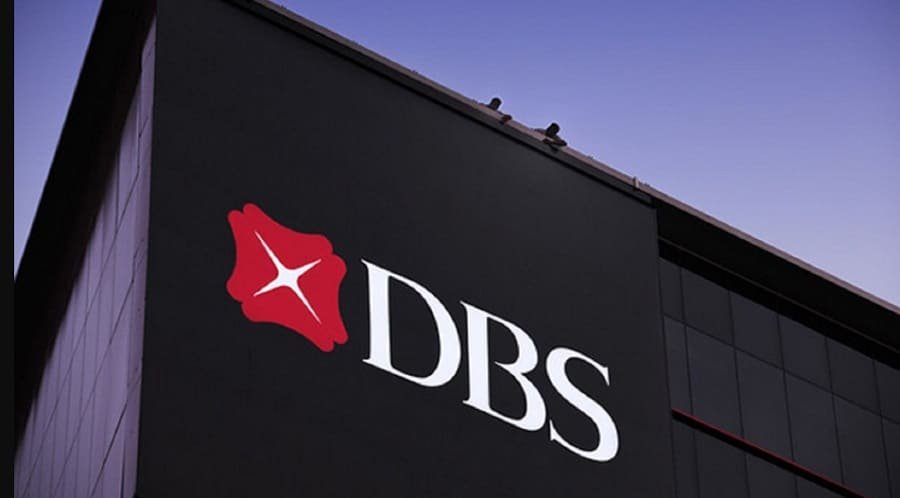
When discussing the Singapore top 5 companies, DBS almost always comes up first. It consistently ranks among the Singapore largest companies by revenue and is frequently the biggest company by market capitalisation on the Singapore Exchange. That position didn’t happen overnight.
DBS expanded aggressively across Asia, embedding itself into trade financing, SME lending, wealth management, and corporate banking. For many businesses operating between Malaysia, Singapore, and the wider ASEAN region, DBS is part of their financial structure whether they actively think about it or not.
It is also one of the Singapore biggest employers in the financial sector. When analysts talk about leading corporations in Singapore, DBS represents scale, integration, and regional reach. That’s why on nearly every Singapore industry leaders list, it holds a stable position near the top.
#2 OCBC Bank & #3 United Overseas Bank – The Quiet Giants
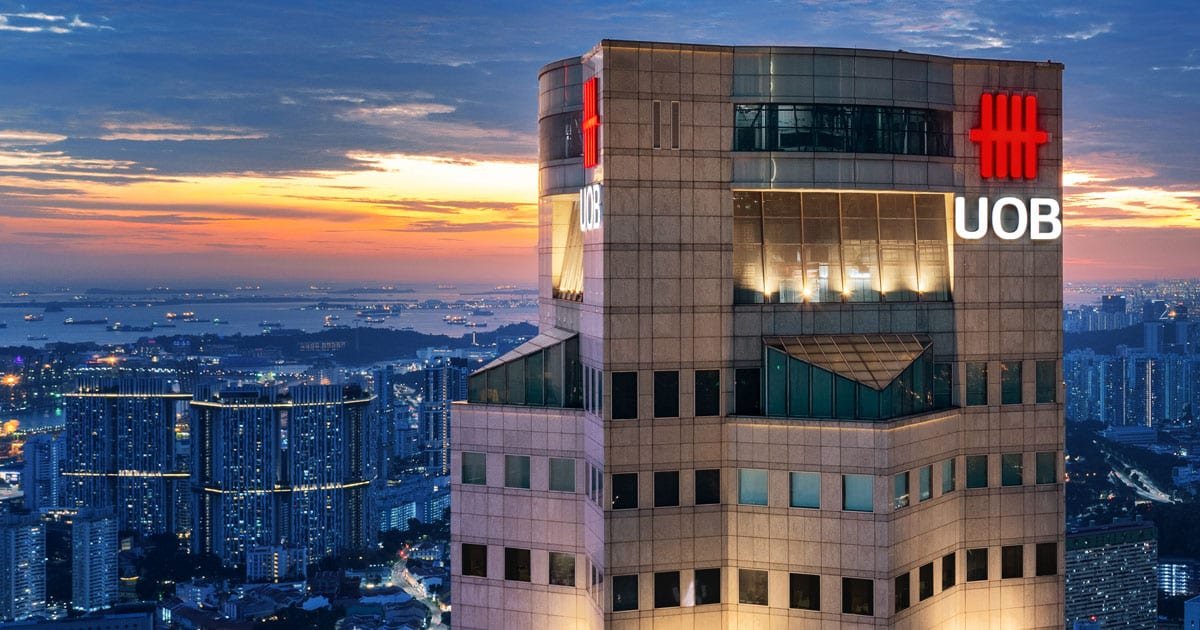
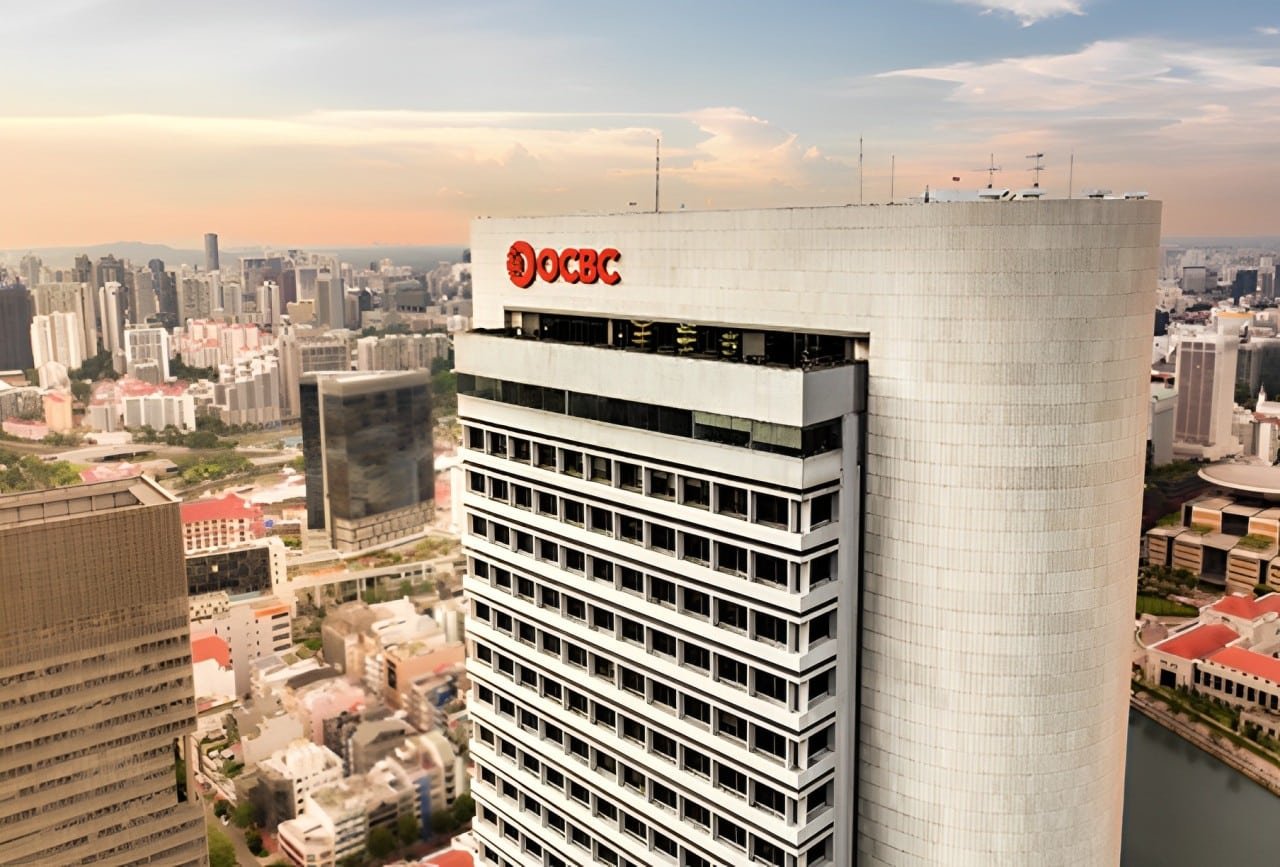
Right behind DBS, two other banks consistently secure their spots: OCBC and UOB. In most Singapore company revenue ranking reports, they remain firmly within the upper tier. These institutions are not just domestic players; they maintain strong regional footprints, especially across Southeast Asia.
OCBC has built significant strength in wealth management and insurance-related services, while UOB has expanded its regional corporate banking network aggressively in recent years. Both banks regularly appear on the SGX top companies list and remain part of the Singapore blue chip companies list.
Together, these three banks form a financial pillar that supports trade, property financing, SME development, and cross-border expansion. If you look at Singapore industry market share leaders in finance, this trio dominates the conversation. That’s why any serious Singapore industry leaders list rarely excludes them.
#4 Wilmar International – Commodities at Scale
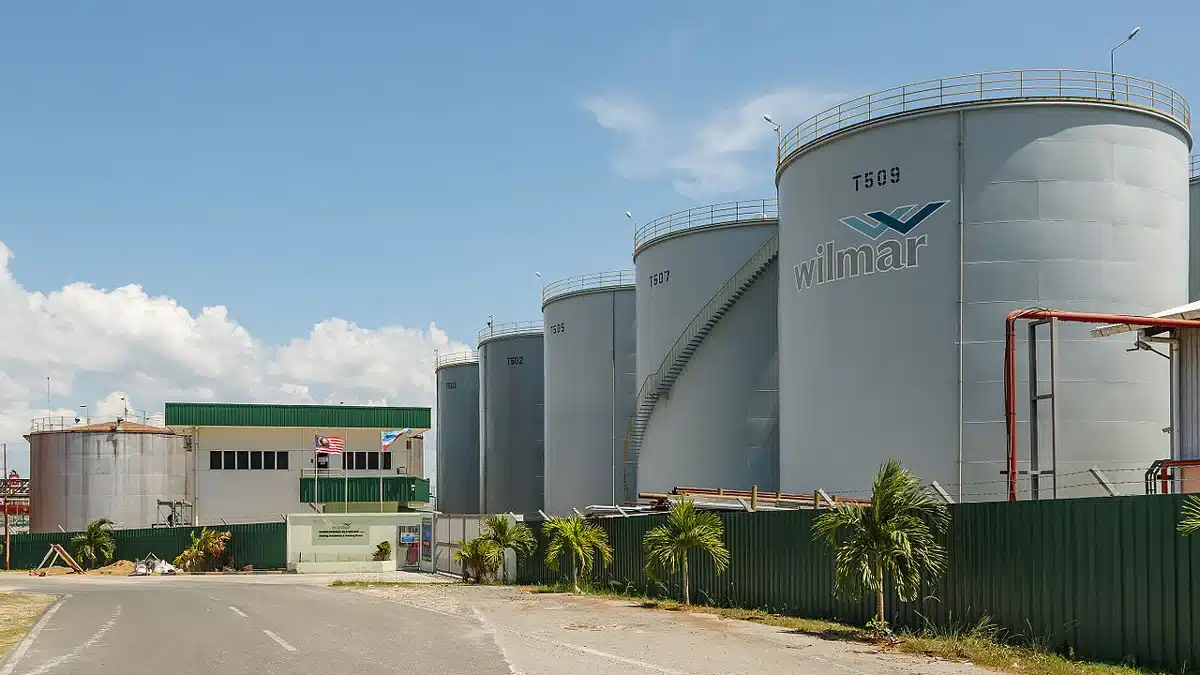
Many people are surprised to see Wilmar ranking so high among Singapore largest companies by revenue. Unlike banks or telecom providers, agribusiness doesn’t often make flashy headlines. But revenue figures tell a different story.
Wilmar International is deeply embedded in global agricultural supply chains, dealing with edible oils, food processing, and commodity trading across Asia and beyond. In several revenue-based comparisons, it has ranked among the biggest corporate names headquartered in Singapore.
When discussing Singapore industry market share leaders, Wilmar represents how traditional sectors still generate massive turnover. It reminds observers that economic power doesn’t only come from digital platforms. Physical goods, supply chains, and food processing continue to anchor significant portions of Asia’s consumption economy.
That’s why Wilmar consistently appears in conversations about top companies in Singapore 2026.
#5 Singtel – Infrastructure Still Wins
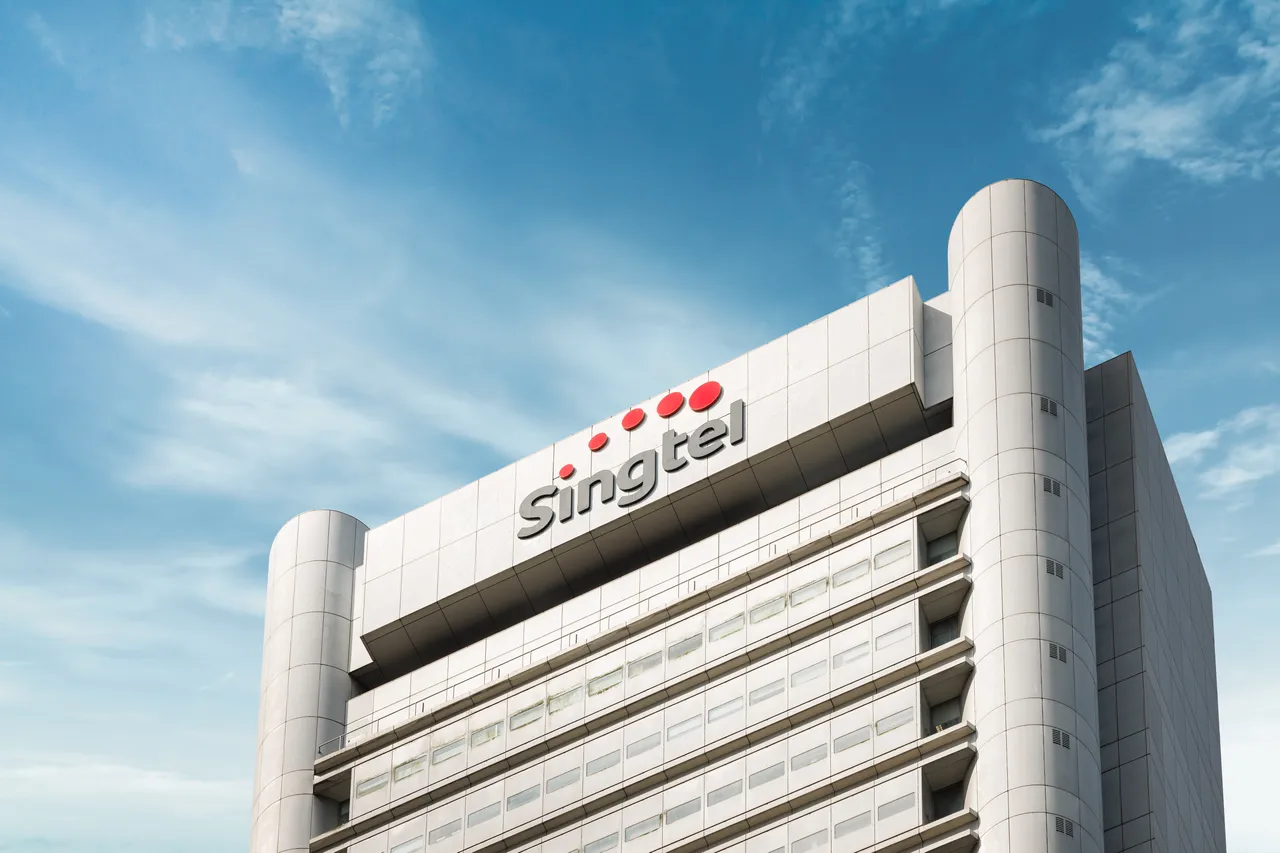
Rounding out the list is Singtel, a long-standing name on the Singapore blue chip companies list. Telecommunications may not sound exciting in 2026, but infrastructure rarely feels glamorous. It simply works in the background.
Singtel remains one of the top listed companies SGX by market value and plays a significant role in regional connectivity. Beyond local telecom services, it maintains investments and partnerships across Asia-Pacific markets. Digital services, cybersecurity, and data infrastructure increasingly sit under its portfolio.
As digital economies expand, the need for reliable network infrastructure grows alongside them. That’s why Singtel remains part of the Singapore industry leaders list year after year. It is also among Singapore biggest employers within the tech-infrastructure space, reinforcing its structural importance.
Looking across these five companies, a pattern becomes clear. Finance controls capital flow. Commodities anchor trade and supply chains. Telecommunications ensures connectivity. Together, they represent stability rather than trendiness.
While Singapore fastest growing companies in tech and startups continue to emerge, the upper tier of the Singapore industry ranking remains dominated by institutions that manage foundational systems. For Malaysian readers observing from nearby, understanding this structure provides useful context. Many cross-border businesses, trade arrangements, and financial relationships are tied in some way to these market leaders in Singapore. That is why the Singapore industry leaders list continues to attract attention. It quietly reveals how a small nation sustains influence across Asia through scale, integration, and control of essential economic networks.