


Inside the Lion City’s Digital Powerhouse Singapore Tech Leaders Redefining the 2026 Global Landscape
If you check out your LinkedIn connections or friends, you’ve probably noticed that the “Singapore Dream” has evolved beyond banking & property. To now it be more strongly focused on the “Global Brain”. Where the action happens in 2026 at One-North & Changi Business Park. To put it bluntly, Singapore’s positioning today as a place for businesses to operate has transformed to be more than just “business friendly”. But instead became the brain of Southeast Asia and the world. By looking at the companies Singapore technology industry leaders today, you’ll see that they are not just local heroes. But instead are giants contributing to the future of AI , manufacturing of computer chips and the shifting of money around the world.
- 01. Sea Limited: More Than Just Your Shopee Parcels
- 02. The Evolution of the “Everyday Everything” App
- 03. Singapore Technology Industry Leaders Meet the Unsung Heroes of the Semiconductor Sector
- 04. The Intelligence Era: Singapore AI Companies Leaders
- 05. The Magnet Effect: Global Tech Companies in Singapore
Last but not least, Singapore is like that one friend who has everything organized and is always three steps ahead of everyone else. While the rest of the world was learning how to work from home, Singapore was busy building the infrastructure. They wanna support the next 10 years of the new digital economy.
01. Sea Limited: More Than Just Your Shopee Parcels

Everyone talks about the “Singapore technology industry leaders” but leaves out Sea Limited. Sea has been known for Shopee. The app we love for shopping on 11.11 and 12.12, but Sea has expanded beyond being a marketplace in 2026. They have transitioned from gaming-focused company (Garena) to a digital finance giant that offers many digital services for Southeast Asia. SeaMoney has created itself as a digital wallet used by a large number of consumers in the region. One thing that makes them a leader is not just how much parcels they deliver. But also how they utilize data to predict what a consumer may want to purchase before the consumer even knows they want it. The use of AI in the logistics of Sea has set the standard for the fastest growing tech companies in Singapore.
The other big key to their success is the all-in-one mentality. Sea recognized early on that once you have the entertainment, the shopping (through Shopee) and the payment. You have essentially created the digital lifestyle of today’s Asian consumer.
02. The Evolution of the “Everyday Everything” App
Do you remember Grab as merely a ride-hailing app? That seems like a distant memory. Now, in 2026, Grab is one of the largest technology companies operating in Singapore. Which succeeding in the world of ride-hailing and quickly becoming a major player in both digital finance and banking. Although they are technically a transportation company, Grab has become a financial institution with vehicles as a supplemental offering in Malaysia and Singapore.
For most, they are the most utilized app (also called “sticky”) we use every day. You use this app to order food, pay your bills, and even obtain small business insurance. Grab is an example of how leaders in the Singapore digital economy operate. They build an entire ecosystem instead of simply existing within their core business. In 2026, Grab has maintained relevancy ahead of its global competitors who have attempted to infiltrate the region using a single approach through “hyper-localization.”
03. Singapore Technology Industry Leaders Meet the Unsung Heroes of the Semiconductor Sector
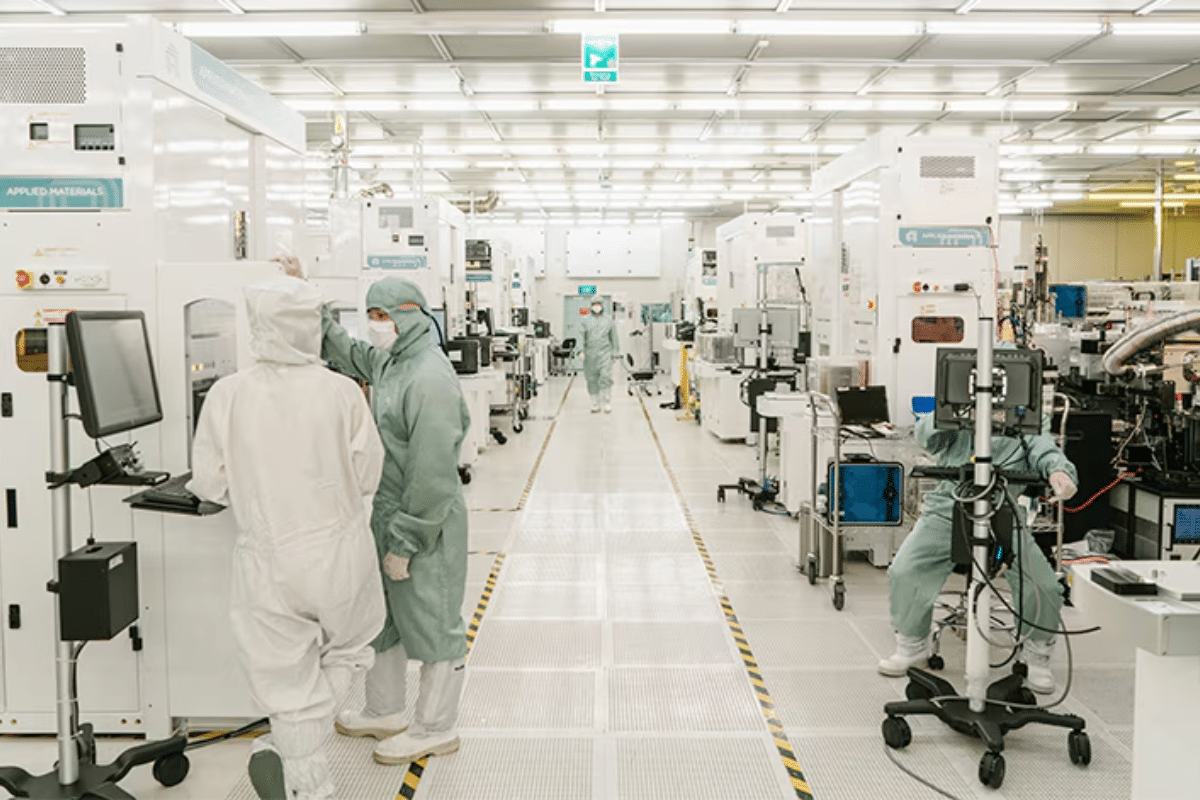
Although apps are the popular products and get the majority of attention, there is a large, highly-technical, and highly-skilled industry that feeds the entire world’s laptop and automobile infrastructures and runs in the background. The reason Singapore is a significant component of the global supply chain for semiconductor companies like Broadcom (which has a presence in Singapore) and GlobalFoundries is because of the number and kinds of semiconductor facilities in Singapore.
With the global market for AI-style chips expected to grow exponentially, and since Singapore will become the “Switzerland” of our tech industry by 2026. We are not simply discussing low-cost labour—it has been a long time since this has been achievable! What we are discussing is high-end research and development, in addition to advanced packaging. These high-tech industries in Singapore are what supports the physical environment. Without the consistent manufacturing activity produced by the fabrication plants (Fabs) located in Singapore’s Woodlands or in Singapore’s Tampines. The “Global AI Revolution” will not exist! The risk to our economy is extreme; Singapore is excelling with this high-risk undertaking.
04. The Intelligence Era: Singapore AI Companies Leaders
In an innovation hub like Singapore’s LaunchPad, you will undoubtedly hear the term “AI” wherever you turn. Unlike hype cycles of past years, 2026 is a year for practical application. The leadership of Singapore’s AI companies, including Advance.AI and many government-backed initiatives within AI Singapore. Which is emphasizing efforts that actually matter to society. For example, fraud detection in banking and streamlining healthcare diagnostics.
Singapore has a very savvy strategy. Due to the inability to outspend the US and China on infrastructure / raw compute power, they have made a conscious effort to become the global hub for “Safety and Trust.” When organizations are seeking to implement ethical, regulated, and reliable AI, they turn to the taxonomies created by these leaders of the technology sector in Singapore. The goal is to be considered the most trusted individual in the room rather than simply the loudest.
05. The Magnet Effect: Global Tech Companies in Singapore
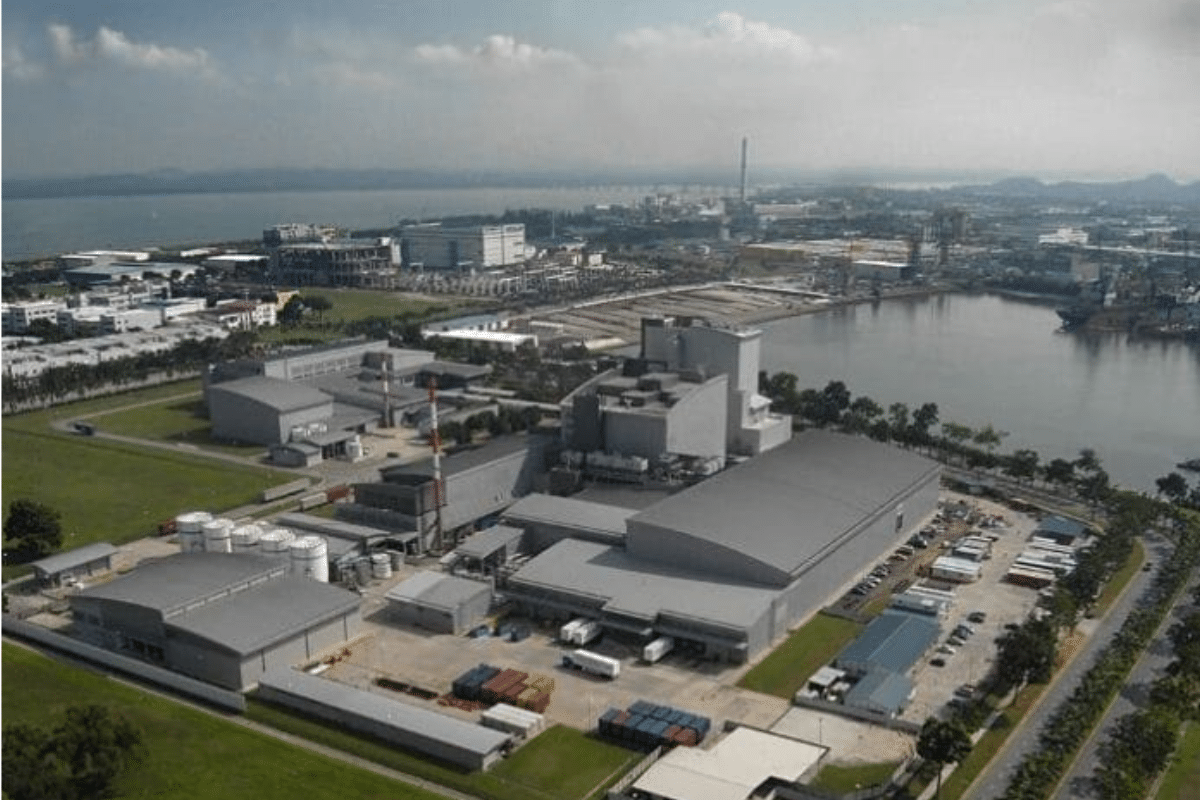
The last of the “Big Guys” are the top three technology universities: Google, Meta, and Austor. Again, they have larger campuses than ever due to their continued growth and are building some of the world’s best engineering teams in Singapore. By 2022, if you were a top-tier engineer, there was no need to come to California’s Silicon Valley; you could simply go to Pasir Panjang or any of the other local tech districts. The probably highest level of integration with the local workforce is that all of these giants will continue to hire locally, building team membership at local organization. This creates a “Magnet Effect” that continues to cultivate the ecosystem. For example, if a software engineer was employed with Google, he/she might be hired by a local start-up, an alternate local semiconductor manufacturer.
Eventually, he/she might establish a Singaporean start-up/unicorn technology company. Thus, the cycle of knowledge creation continues. As we approach 2026, Singapore has turned itself from a “user of technology” to a “creator of technology.” We see the influence of the aforementioned companies everywhere we turn through new software applications on our mobile devices, vehicle-related chips, etc. These companies are ensure that every aspect of our global economy continues to operate just a little bit better than before.


