


A Deep Dive into the Singapore logistics industry outlook for 2026
If you have ever been to a cafe in East Coast Park and observed the hundreds of container ships parked off the coast, then you already know that these container vessels represent the ‘heartbeat’ of Singapore. While it may sound like a cliché to call Singapore a ‘hub’, by 2026 the ‘heartbeat’ will be beating to a much different drumbeat. If you have spoken to anyone working in Supply Chain or Freight lately, you can tell that things have changed. No longer is it simply about “finding enough space in the godown” or “finding a cheap truck”. But rather, there is a huge emphasis on big infrastructure and software that feels like it came out of a sci-fi movie. Everyone is trying to determine how the overall outlook of Singapore’s logistics industry will have an effect on their everyday hustle to move products from Point A to Point B. Ultimately, the “old way” of doing things is hitting a wall. Costs are increasing, labor is being tight and consumers are demanding their Shopee or Lazada parcels be delivered yesterday. The logistics industry is therefore having a major facelift in order to keep pace with these changes.
Tuas Port & The Mega-Hub Transformation
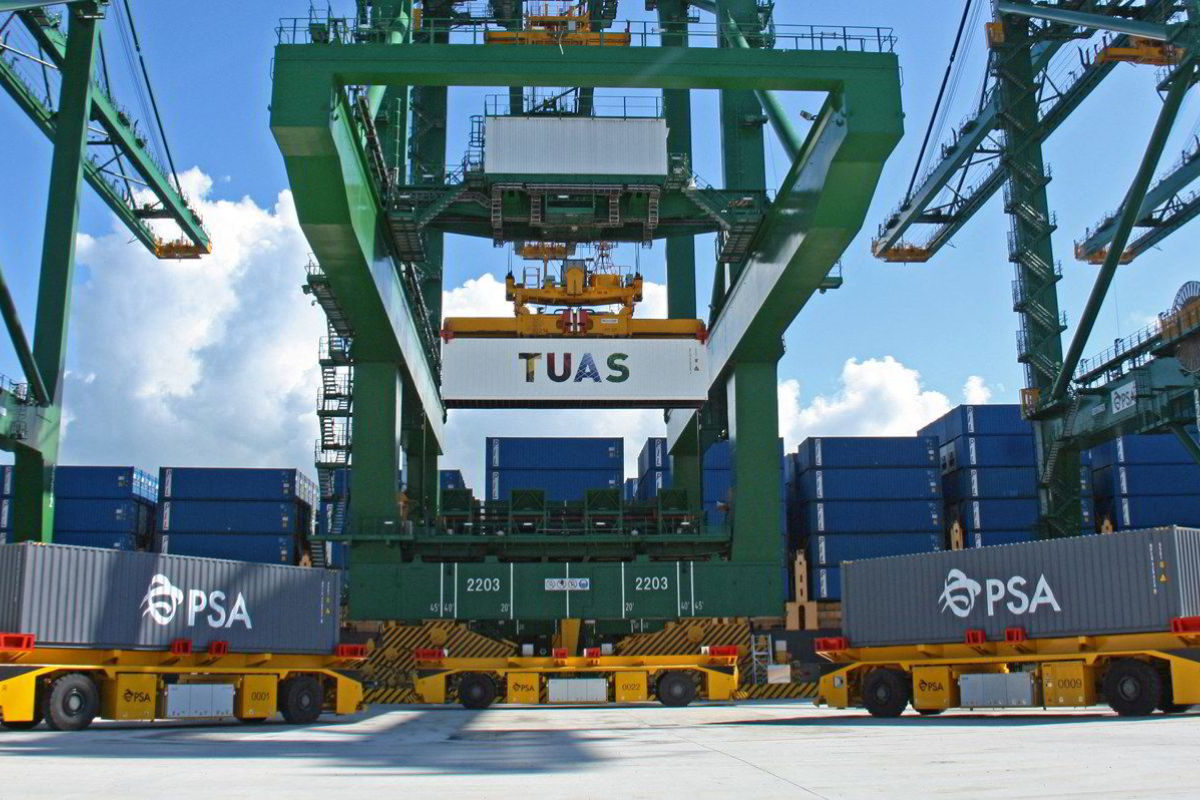
Discussing Singapore’s logistics industry outlook means also taking into consideration Tuas Port which isn’t simply a new port. It is plain and simple a total consolidation of how we move goods around the world. In fact, by 2026, much of what was formerly performed at older terminals such as Keppel and Brani will move to Tuas.
When you look towards the west, you will see a shoreline occupied by enormous double-sided quay cranes. On the “old school” side of port life, much of the coordination to move ships around was done by hand. But now we are observing Tuas Port’s logistics transformation in real time, including the usage of automated guided vehicles (AGVs) that travel independently and artificial intelligence. That can determine where containers will best be placed to have the least amount of waiting period.
For business owners and logistics managers, this is not about the “big government project” conversation. It relates to better shipping turnarounds. As the efficiency of the port improves, the bottleneck effect that frequently exists from peak periods diminishes. It enabling Tuas Port’s enormous scale to ensure Singapore maintains its position in the marketplace as other regional ports upgrade.
Singapore logistics industry outlook: Beyond the Buzzwords
In 2026, smart logistics is now a crucial element of logistics operations. The surge of smart logistics initiatives is evident in. For example, a warehouse where the shelving brings items to the worker as opposed to workers walking up to 10 miles a day to retrieve an item from the warehouse. The availability and cost of automation in logistics have changed significantly. It allowing mid-market companies to implement automation solutions similar to large companies like DHL and FedEx. Companies like local third-party logistics (3PL) also utilize warehouse management systems (WMS) that work with sensors to track inventory in real-time.
A significant trend in the Singapore logistics industry for 2026 includes the concept of a “digital twin.” Imagine having a 3D digital representation of your entire supply chain on your iPad, and being able to see where your vehicles are. What pallets are reaching their recommended shelf life? Where traffic congestion will be located in Jurong before it affects your operations? This allows logistics professionals to be proactive rather than just reactive and constantly “fighting fires.”
Singapore logistics industry outlook of The Rise of Green & Cold Chain Demand

In the past, sustainability was merely a desire or way to enhance the image of an organisation through an annual report. But today it has transformed into a necessity for global clients. The logistics industry outlook for Singapore is currently focused on greening their fleets. As a result, many logistics companies are making the switch to electric vehicles (EVs) for their last-mile deliveries. Due to both incentives provided by the government and expected long-term fuel cost savings.
In addition, with the rise of cold chain logistics in Singapore and Singapore’s goal of being a food secure country and a pharmaceutical hub, chilled logistics are in high demand. Chilled logistics are more than just refrigerated trucks. They also involve using high-tech containers that provide accurate temperature records for valuable goods. Such as vaccines and seafood during transportation (all information is logged on the cloud).
If your facility did not implement energy-efficient cooling or solar powering before now, then you likely have noticed a significant increase in your electric bill. The push towards green warehousing is becoming the norm in freight and warehousing trends within the Singapore area.
E-commerce & Last-Mile Efficiency
Everyone has experience checking their package’s tracking app multiple times per day. As e-commerce continues its upward trajectory; e-commerce logistics Singapore is under extreme pressure. However, while the function of delivery remains the same, between now and 2026, emphasis will have shifted from “delivering” to “delivering smarter.”
As we head toward 2026, the future of logistics Singapore is becoming interesting because we see urban collection points and automated parcel lockers (for example, the Pick network) cropping up at every HDB void deck and MRT station. The reason is simple – a delivery driver cannot locate the customer at home is an enormous waste of time and fuel.
The conversation is also growing around the concept of micro-fulfillment centers. Rather than relying on one massive warehouse located in Tuas. Companies are choosing to use smaller fulfilment centers that are located much closer to the city or residential areas. Which those allowing them to fulfil the typical expectations from customers of”2-hour delivery”. The key to this is limiting the distance between the shelf to the front door.
Digitalization & Reskilling the Workforce

In addition to machinery, an essential element of the logistics industry’s future in Singapore is its people. Whereas in the past an “Uncle” could manage a warehouse with just a clipboard and pen. He will be required to now use new technology such as tablets and scanners. Digitalization is a key component of the Industry Transformation Map (ITM) for logistics in Singapore. This change means that there will be fewer ‘movers’ and more ‘controllers’ in jobs. This will also increase the industry attractiveness to the younger generation who are more familiar with technology. In our analysis of Singapore as a global supply chain hub, we have determined that our greatest asset is our people. With the ‘software’ to successfully manage the complexities of international trade that other centers are struggling with.
With a reliable partner like LHT Holdings, we can support the increasing trend towards automation and sustainability across most industries today. Therefore, partners such as LHT Holdings can achieve overall supply chain efficiencies. Through the use of pallet-based systems, even the simple wooden pallet has evolved into a high-tech, eco-friendly solution. Ultimately, the logistics industry in 2026 will be about being ‘lean’ – e.g. reducing waste, minimizing manual errors and maximizing data. Regardless of whether you are a business owner who ships products or a person waiting on the delivery of a package, there are many sophisticated systems in place behind the scenes. It is a very exciting time to be part of this industry.