


5 Singapore Innovation Driven Industries That Are Actually Hiring and Growing Right Now
Many people are talking about Johor as the place to be or KL as the technology hub, etc. The truth is, if you look at actual funding (R&D and government grants) on these two sides of the causeway, you’ll see there is a much different picture. I have been looking at trends for 2026 and am beginning to see that Singapore has quietly evolved from a “nice spot to have your main office” to a real force of Singapore innovation driven industries. We are no longer simply talking about opening another location here. We are actually discussing good science, engineering, and real-world problem-solving. So if you’re in Malaysia and considering where the next big career/business collaboration may be, these are the five (5) sectors getting it done right now.
AI and Robotics: The “Kampung AI” Effect
AI is gaining momentum globally, and in Singapore, it’s rapidly transitioning from using “ChatGPT for email” to developing robots and automating industries. Recently, the Singapore government launched an initiative they’ve playfully titled “Kampung AI”. Which is not an actual village but rather a dedicated space located in one-north with a goal of centralizing all AI-related and robotics-oriented businesses that are predicted to be important in Singapore’s future economic success.
These emerging AI technologies will help address issues found throughout Southeast Asia. Such as labour shortages, population growth rates, and efficiency problems for logistics. As exampled via a conversation with my logistics friend whose company recently automated their warehouse with autonomous mobile robots (AMRs) so they could continue moving boxes without difficulty from Point A to Point B. In the area of advanced manufacturing innovation, Singapore is now heavily committed to combining AI and the Internet of Things (“AIoT”), with GovTech leading this trend through the use of smart sensors capable of predicting the future movements of crowded areas before a crowd actually occurs. Thus allowing for the adjustment of air conditioning systems when no one feels heat yet. It’s occurring right before our eyes and it isn’t science fiction; it’s simply the next evolution of urban living.
Biotech and Life Sciences: The Vaccine Legacy
When everyone focus on finding logistics in Singapore during Covid-19, many people didn’t consider what was happening with the labs and companies behind the scenes. The biotech/life sciences cluster in Singapore is becoming huge at an unbelievable rapid pace. The entire “sector” is far more than just traditional pharmacy. It encompasses everything from gene therapy to medical devices to highly specialized manufacturing. Some examples include major companies in R&D, including DSO National Laboratories as well as start-ups that are part of an entire ecosystem within this sector.
Most recently, the Singaporean government has invested billions into the industrial side of the nation’s biomedical manufacturing industry. As evidenced by a recently announced national program called “Healthier SG.” For those of us living in Malaysia, the significance of this is profound given that Singapore is building a moat around high-value healthcare in a way. That prevents competition from public hospitals in Johor Bahru (JB) or Kuala Lumpur (KL) but rather direct competition to countries and cities like Switzerland and Boston! Thus, Singapore is producing products that are shipped around the globe, potentially back to us! It should also be noted that the R&D sectors further supported by the government are principally related to high-risk/high-regulation industries. Biomedicine (biotech) is at the top of that list.
Singapore innovation driven industries: Advanced Manufacturing
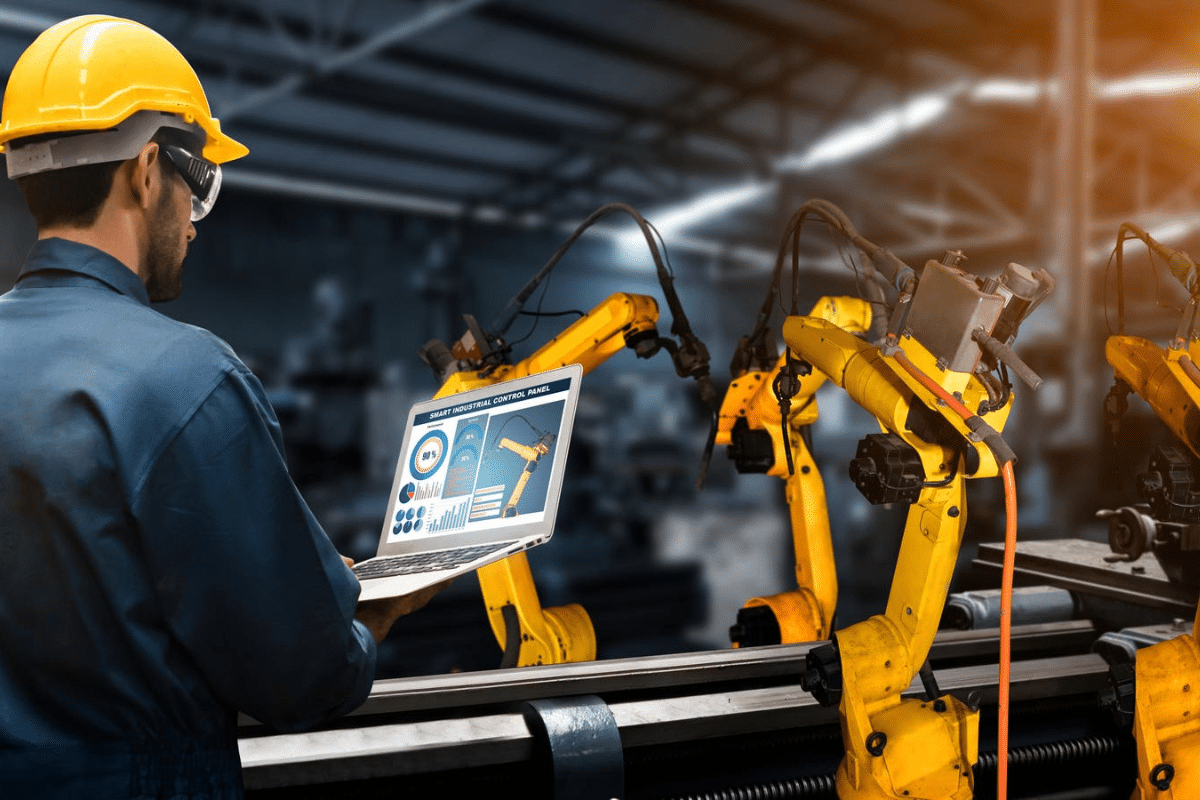
Do not use the term “manufacturing” in the context of the smokestacks that have long since disappeared. That is so outdated. The newer term is “industrial 4.0,” which represents the future of innovative manufacturing for Singapore. Example 3D printing of building parts autonomously without human interaction. In addition, there is a desire to change the public’s perception of the building industry to one that is No Longer Dirty, Dangerous and Dusty. The New Image of the Building Industry Will Be a “Dynamic, Decarbonised and Digitalised Industry”.
The Singapore Government has made substantial investments into high-tech sectors required for Singapore’s future success. One example of this investment was the recent announcement of a Sustainable Flagship Programme in the Semiconductor Industry. Semiconductor chips will be the new “oil” of today’s economy. Singapore intends to control a significant percentage of the global supply chain for semiconductor chips. All manufacturers are continuously searching for ways to reduce their reliance on low-cost labour and eventually get 100% automated manufacturing processes.
Smart Nation and Digital Infrastructure
This may seem a bit narcissistic at times but, as you start to understand some of the smart nation innovation sectors out there, they will all blow your mind. We all use Grab, right? But, the backend systems that support the city of Singapore are really where the magic happens. Example the water sensor systems, traffic optimization systems, the monitoring systems for the senior population. GovTech is building what they call Digital Nervous Systems (or D.N.S.’s). A D.N.S. is essentially an operating system for the entire city.
What does this mean for businesses? Digital innovation hubs like Punggol Digital District are now becoming living labs. Where you can run proof of concept on a real city, prior to selling your software into other countries. And the level of government support for innovation in Singapore is extremely high! The government just added another $1 billion into the Startup SG Equity fund, to support the growing number of startups in Singapore. So, if you are a founder that is developing enterprise software, consider yourself very fortunate.
Deep Tech, Quantum, and Space
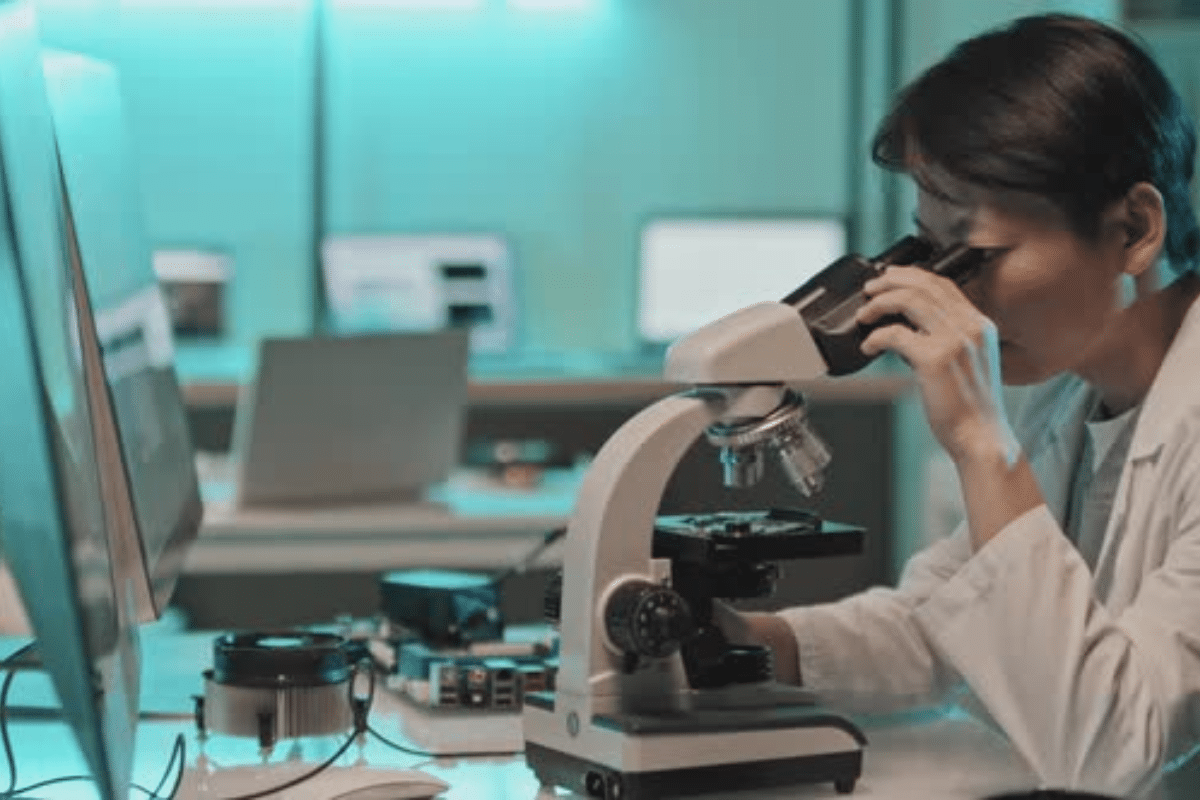
Let’s take a closer look at how this concept of smart money works. At the moment, many companies exist outside of just retail apps on the internet. This includes a number of new technological advancements created by primary technology start-ups which are now receiving investment and funding within Singapore. These would consist of quantum computing. Technology used in space and advanced materials.
Global Innovations Labs has a deep-tech incubator that has been opened in Singapore for the purpose of commercializing deep tech patents developed elsewhere in the world. Such as SRI who developed the mouse and Siri into new entities located within Singapore. Singapore has legal protections for intellectual property (IP) associated with billion-dollar ideas, which is another reason for GIL’s activity. Another reason is that the Ministry of Trade has an agenda to support and grow their space sector. So that they have more opportunities to develop advanced technology in Singapore. For the average Malaysian worker or business owner, if you possess advanced science qualifications or specialized engineering skills you should see your skill set rapidly increasing in demand. There are many jobs out there that could not be support in Puchong but exist and could provide significant pay.