

Why 2026 is the Real Turning Point for the Singapore Fintech Industry Expansion and What It Means for You
When traveling over the Causeway or scrolling the news feed on LinkedIn recently, you may have noticed a shift in the money conversation within this region. The conversation has moved from asking which bank offers the highest fixed deposit rates to discussing new apps that can quickly provide you with cash via loans, digital wallets that are usable worldwide, and new “invisible” banks that do not have any type of physical location. Historically, Singapore was known as the “big brother” of finance. However, we are beginning to see a new “big brother” emerge in 2026. The previously common façade of Raffles Place as larger buildings housing banks has shifted to our phones and everyday living. This change has been labelled the “Singapore fintech industry expansion” and is helping regular consumers like you and me to manage their RM or SGD with minimal hassle.
The New Era of Digital Banking
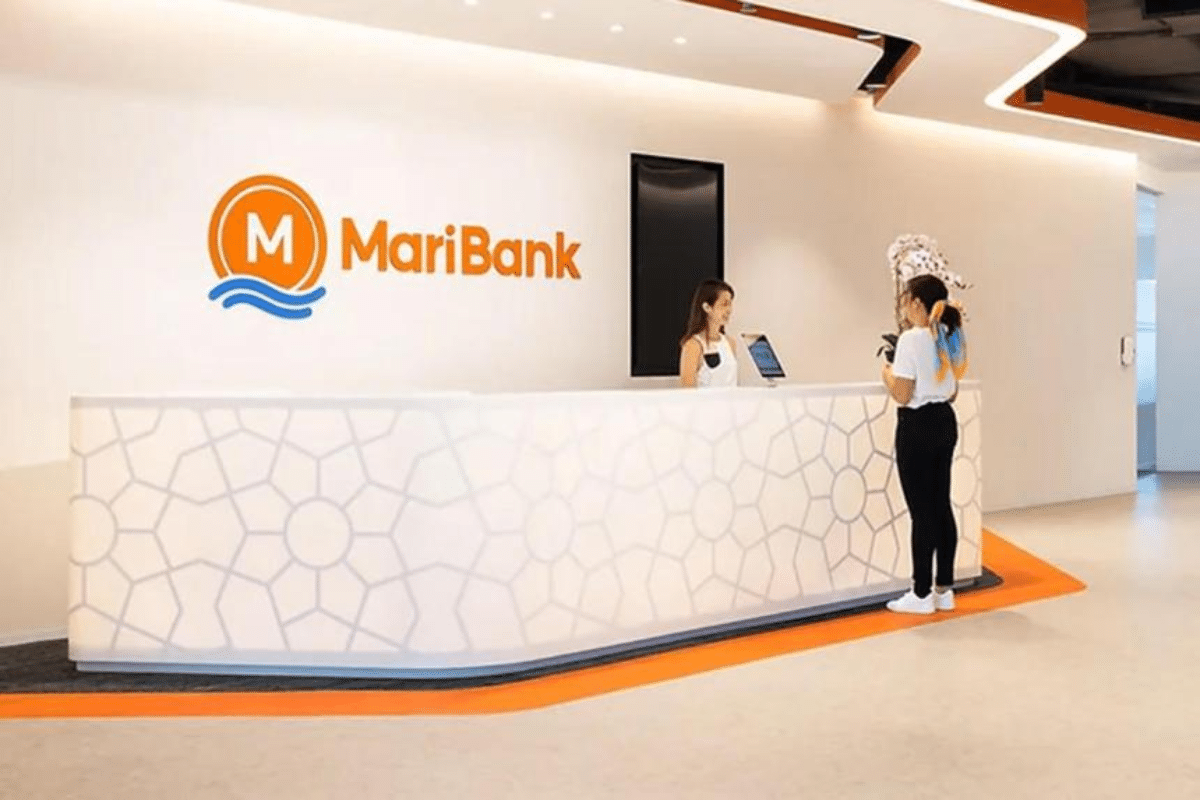
In the past, going to the bank used to be something that people dreaded. You’d take a number and wait an hour just to change your address or open a basic account. Today, this experience seems like “ancient history.” Digital banks are changing how we manage our finances in Singapore and redefining what it means to bank. In just a couple of years, digital banks such as GXS, Trust, and MariBank have transitioned from being the “new kids in town” to being part of the family. They are now considered mature banks. Digital banks recognized that people do not want banks. They want a way to access money without having to answer a “sh*t-load” of questions. Digital banks have forced traditional banks (DBS, OCBC and UOB) to improve their own customer service at the same time. This has led to the rapid growth of the fintech industry in Singapore.
Today, opening a bank account takes only 3 minutes while you’re getting your kopi and is about making life “frictionless”. This means that your bank lives on your mobile device and recognizes that sometimes you may just need a small loan to buy a laptop today rather than go through 3 months of paperwork to get a mortgage.
Singapore Fintech Industry Expansion & Real-Time Pay
There is something exciting happening regarding how the Singapore financial ecosystem has grown. Now, in Malaysia, you can scan a QR code to pay someone in Singapore as easily as you would if your bank were located there. The growth of the Singapore fintech industry has been very much focused on providing a fast payment experience for consumers — just like sending someone a message on WhatsApp. However, there is much more to this story than just growing the PayNow system. The growth of cross-border payment systems such as connecting PayNow (SING) to DuitNow (MAL) or PromptPay (TH) is only the beginning of what will happen between these countries in the future.
In 2026, there will be more emphasis on lowering the cost of making cross-border payments. If a small business is located in Johor or Penang and sells products to people located in Singapore. It will change the way they do business. Instead of having to wait 3 days for your “wire transfer” or losing 5% in additional bank charges, the funds will be transferred instantly and at a low cost, which will be a major factor in Singapore being viewed as the Southeast Asia fintech leader. It connects people to each other.
The Clean-Up of Crypto and Blockchain

A number of years ago, people were flooding the market with “crypto” investments, and everyone was in a rush to become wealthy overnight. But when the bubble burst, many people lost a lot of money in the ensuing financial market meltdown. However, in 2026, the blockchain and cryptocurrency industry in Singapore has matured. Instead of focusing solely on speculation (i.e., trading “dog coins” and other similar types of trades), the focus is now on innovations in digital finance using blockchain technology (e.g., buying real estate or verifying the authenticity of luxury watch brands). The regulations established by the Monetary Authority of Singapore (MAS) were considered to be very stringent and frustrating initially, but now it is clear why they were in place.
The companies that have successfully navigated the MAS fintech initiatives are now “real” companies that use blockchain technology to ensure secure payments. And actually own your digital assets (as opposed to just dreaming of going to the moon). This stability is attracting significant amounts of venture capital (VC) into the fintech sector in Singapore because VC investors view Singapore as a safe harbour for investment compared to other jurisdictions, which have more volatile and unpredictable financial markets.
How MAS is Driving Fintech Startup Opportunities
They treat their mission more like a garden than just being a police department controlling money. They have been very deliberate in developing fintech startup opportunities in Singapore. If you are an educationally gifted young entrepreneur in Asia with a really cool solution to help people save money or invest in something green, the most desirable place to take your idea is Singapore. Why? Because of the “Sandbox”. The Sandbox allows you as a new entrepreneur to test your idea with real live customers while being monitored by MAS so that if your plan should fail, no one gets hurt.
The development of this fintech ecosystem in Singapore has enabled much of the fastest growing fintech firms to launch each year. They’re building apps for everyone throughout Asia, not just Singaporeans. For instance, gig workers will benefit from a new way to get Insurance and there is a growing platform to enable “Fractional Property” ownership of real estate. There is incredible growth because the “earth” is fertile.
AI Personal Shoppers for Your Savings

We also need to discuss Artificial Intelligence. But this discussion will not focus on the type of AI that takes over the world. We will be discussing AI-like in the Singapore Fintech Industry Expansion; we are seeing a large increase in Singapore’s fintech growth in 2026, especially with hyper-personalization of companies’ services. For example, your banking application may recognize you’re spending a lot of money (bubble tea) and provide you with options to put your spare change toward investing in something like gold or another form of investment. Or, a machine (AI) may automatically transfer money into high-interest accounts based on your salary.
Overall, it is not about you developing or managing your money anymore. It is your money developing and managing itself based on what you’ve set as your objectives. Also, this isn’t only available for “wealthy” individuals. Firms such as StashAway and similar firms are now offering you as small as $100 can receive the same level of professional financial advice as a millionaire received several years ago.