


We Keep Hearing About Singapore’s Ranking, But What Does It Actually Mean For Us?
Every year there’s a top five list that includes Singapore as one of the ‘Top’ countries in Asia or in the world. You see these headlines every day and they’ve become ho-hum. My friend who has a small logistics company in Johor Bahru, asked me “Eh, why does Singapore get put on so many lists? Is it just because they have a lot of money?” That’s a great question because for most of us in Malaysia, we view Singapore as our ‘high and mighty’ neighbor. We also see how they have nice cars, tall buildings and a strong exchange rate. However, when you look at the actual numbers, specifically the Singapore business competitiveness ranking. It shows you that it is not just about being rich. After I searched for the latest reports for 2026, including the World Economic Forum report and the new Innovators Business Environment Index report. My purpose was not to find a bragging score but rather to determine how they operate. Here are the top five reasons why Singapore has constantly ranked high, written as if we were sitting in a café somewhere.
They Are Obsessed With Stability (The “Boring” Advantage)
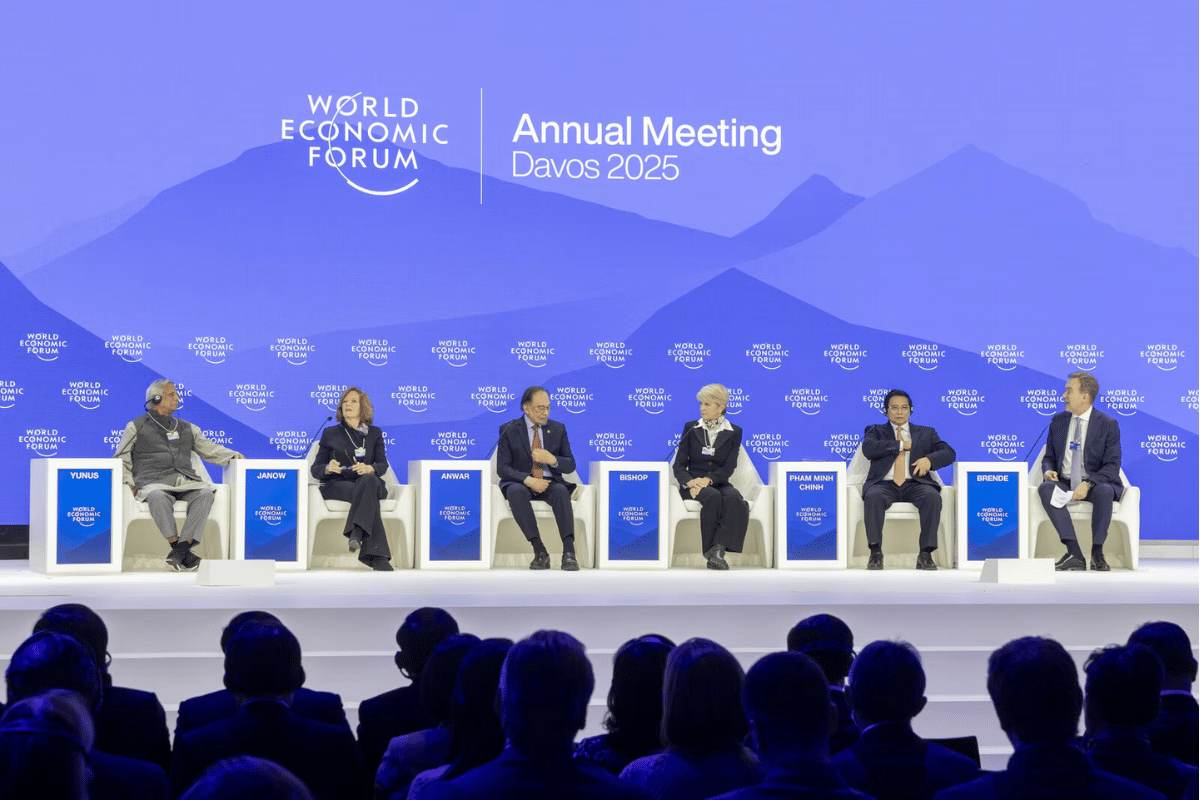
You seldom hear anyone say, “I invest in Singapore because it’s fun”. Rather, the majority of people state that they invest in Singapore because of its safety. There exists an important report by the United Nations Environment Programmed: Global Atlas of Risk and Readiness for 2026. While many have dismissed this report, it’s very considerable. Singapore has been rated 3rd overall worldwide. However, the most remarkable aspect of this report is that it has the lowest structural risk in their data set.
What is “structural risk?” It’s a measure of stability and predictability. When you operate a business in an unpredictable environment where rules can change monthly or seasonally. To illustrate, let’s use a scenario where illegally produced items are sold by your company. As long as your operations remain within the bounds of the law in Singapore, you can be assured that doing business there will be consistently and reliably profitable. The World Economic Forum has been validating this year after year in their annual report on “The Singapore Ranking.” Singapore has continued to be regarded as stable regardless of fluctuations in the global economy. Business owners love to do business in Singapore because of its stability. That stability means you can operate a business and sleep well at night!
Singapore business competitiveness ranking is the Talent War
There is a large amount of foreign talent that is brought into Singapore. There is a shift in the narrative that has occurred over the last few years. Singapore is no longer simply about bringing in talent; it is now about developing its own talent. One of the indicators used to assess development of talent in Singapore is the Singapore Talent Competitiveness Index. Which was first published in 2016. The Singapore Opportunity Index (SOI) was also launched at that time. The SOI assessed how the top 300 of the 1,500 largest companies in Singapore treat their employees.
What did the research reveal? “Companies that offered opportunities for ‘career mobility’ had better success than companies that pay the most money to workers.”
At PricewaterhouseCoopers (PwC), new employees are assigned a coach for a specified time period after joining the organization. Senior employees mentor junior employees at Murata by sharing/advising on how to stay current with the skills they develop, so that junior employees have the knowledge and experience when the senior employees retire. In Malaysia, employers tend to view new job (job vacancies) only as a number (salary) per month. However, the high level of productivity and efficiency of employees in Singapore can be attribute to the degree of engagement and connection between employer and employee. When an employee knows that he will be eligible for promotion within 5 years. He is likely to work very hard for those 5 years, ultimately resulting in improved productivity and performance compared to previous years. Thus, the concept of engagement through career mobility is a long-term commitment.
Singapore business competitiveness ranking is a Red Tape?
I understand that dealing with government bureaucracy usually involves too much hassle in any country. When you look at Singapore’s Global Ease of Doing Business Ranking, you’ll see that Singapore’s main advantage allows the government to streamline many government processes. So that it’s easy to do business in Singapore. According to the latest StartupBlink Innovators Business Environment Index (2026), Singapore ranks 2nd globally and 1st in Regulatory Governance. In terms of cost, it is one of the cheapest countries to register a company. However, more importantly is their use of “Open Regulation”. Rules that can be quickly changed if deemed inappropriate for business.
From a mobility perspective, they have the highest Global Mobility score (i.e. it is very easy to fly into Singapore, conduct business and fly out). Supporting this is Singapore’s infrastructure and overall business competitiveness. One of the key examples of this is the Changi Airport, which is not only visually appealing but is very much a significant business opportunity facilitator. As it allows a German businessman to land in Singapore at 6 am, have a meeting at 10, sign a contract at 2 pm and return home for dinner. One of the major contributing factors to Singapore’s superior ranking of Economic Competitiveness (on a Global Scale) is the ability to accomplish all this efficiently.
ASEAN Competitiveness: Who is Number Two?
We must consider Singapore in relation to other ASEAN countries when discussing its comparative competitiveness. According to World Economic Forum 2019 statistics, Singapore is ranked number one in the world with Malaysia ranking second in ASEAN. However, looking at the predicted GDP per capita from IMF 2026 data, you will see a greater disparity between the two nations. This indicates a significant gap. According to projections, GDP for Singapore will reach $606 million by 2026! Countries usually derive GDP of this magnitude from resource-based industries; however, Singapore does not possess any natural resources from which to calculate its GDP.
Singapore’s competitive status derives from creating Value-Added Products compared to Malaysia’s Value-Added Commodities (oil, palm oil) or Manufacturing (chip assembly). Additionally, Vietnam is beginning to emerge quickly, and Indonesia has a large market. However, Singapore is still the primary Headquarters Hub for businesses who want a centralized point for Asia. If you are launching a new product for the Asian market, it will be registered as a legal entity in Singapore. Additionally, establishing a Treasury Account in Singapore sends a message to your shareholders. That it is a safe and secure investment.
The “No Surprises” Economy
After reviewing Singapore business competitiveness ranking, one factor is clear. Singapore relies on multiple foundations for their success, unlike many other countries. In fact, many of our competitors profit from cheap labor or large oil reserves. Singapore builds its success on its systems. The Singapore Business Competitiveness Ranking (like StartupBlink’s IBEI) for 2026 ranks Singapore exceptionally well. In terms of: A strong & readily available capital supply (lots of banks & VCs), Excellent digital infrastructure (high speed & unrestricted access to the internet), Stable governance (no disruptive political coups and no abrupt changes to policy).
So, what’s the lesson for my fellow countrymen in Malaysia? First of all, we don’t have to be Singapore. However, if you’re a business owner looking to expand your business or you’re a young person who wants to work in high-paying jobs. The data clearly indicates that Singapore provides a low-friction business environment. You do not have to deal with the government, the banks, or any other person who may interfere with your productivity. Even though it may not be the most exciting place in the world, excitement can’t pay your bills. What can pay your bills? Predictability. Therefore, that is the real reason why year after year, Singapore continues to be the #1 country to do business in the world.